 YOU ARE SHOPPING ON OUR


How to Choose Between Different Holster Types
Holsters come in different configurations because equipment requirements, uniforms, working environments and individual users vary. Waist-mounted, shoulder, thigh and other holster systems each position equipment differently and can interact differently with your belt, clothing and other equipment.
For Australian professional users, choosing a holster should start with the requirements of your organisation, applicable laws, approved equipment and professional training rather than personal preference alone.
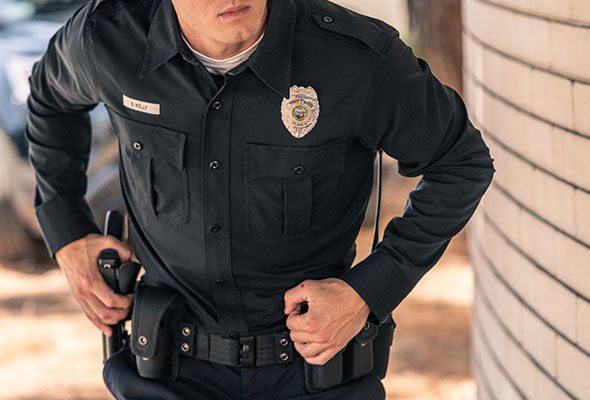
Quick answer: Different holster types are designed around different equipment, uniforms and working requirements. Common configurations include waist-mounted, shoulder and thigh-mounted systems. Professional users should choose equipment that is approved for their role and compatible with their belt, clothing and other equipment.
What Is a Holster Designed to Do?
A holster is a purpose-built piece of equipment designed to securely retain a compatible item while it is being carried.
For professional users, important considerations can include:
- Secure retention
- Compatibility with the specific equipment
- Position on the body
- Compatibility with belts and uniforms
- Interaction with other equipment
- Comfort during prolonged wear
- Organisational requirements
No single holster configuration is ideal for every role.
Common Types of Holsters
| Holster Type | Position | Key Consideration |
| Waist / Belt Holster | Mounted around the waist or belt | Belt compatibility, stability and interaction with other equipment |
| Shoulder Holster | Supported by a harness around the upper body | Fit, clothing compatibility and organisational requirements |
| Thigh / Drop-Leg Holster | Mounted below the waist around the upper leg | Movement, stability and compatibility with other equipment |
| Ankle Holster | Mounted around the lower leg | Garment compatibility and authorised use |
Waist and Belt-Mounted Holsters
Belt-mounted systems are one of the most recognisable holster configurations. They integrate the holster with a belt or dedicated equipment system around the waist.
The performance of the complete setup depends on more than the holster itself. The belt needs enough structure to support the equipment without excessive movement or sagging.
Important considerations include:
- Belt width
- Belt rigidity
- Mounting-system compatibility
- Other equipment positioned around the waist
- Uniform and clothing requirements
- Comfort while sitting, standing and moving
For more information about the belt itself, see our guide to why tactical belts are used and how different belt systems work.
Shoulder Holsters
A shoulder holster uses a harness system to position equipment around the upper torso rather than placing the full load around the waist.
This changes how the system interacts with clothing and other equipment.
When assessing a shoulder system, professional users should consider:
- Harness fit
- Retention
- Uniform requirements
- Outerwear compatibility
- Interaction with body-worn equipment
- Manufacturer instructions
The system should be fitted and used according to the manufacturer's instructions and any applicable organisational training requirements.
Thigh and Drop-Leg Holsters
Thigh or drop-leg systems position equipment below the waist rather than directly on the belt line.
They may be used where a user's uniform, protective equipment or other belt-mounted equipment affects the available space around the waist.
Consider:
- Stability during movement
- Strap comfort
- Connection to the belt system
- Interaction with pockets
- Other equipment worn on the leg or waist
- Professional equipment requirements
A drop-leg platform should not be selected simply because it looks more tactical. Its position should solve a genuine equipment or professional requirement.
Ankle Holsters
Ankle-mounted systems position equipment around the lower leg and therefore interact significantly with footwear and pants.
Factors to consider include:
- Pant-leg dimensions
- Boot height
- Movement
- Comfort
- Retention
- Organisational approval
As with any specialised holster configuration, suitability depends on the user's authorised role and equipment requirements.
Holster vs MOLLE Equipment Platform
Holsters and MOLLE systems solve different equipment-carrying problems.
A dedicated holster is designed around secure retention of compatible equipment. MOLLE provides a modular attachment platform for compatible pouches and accessories.
| Dedicated Holster | MOLLE Platform | |
| Primary Purpose | Secure retention of specific compatible equipment | Modular attachment of compatible pouches and equipment |
| Equipment Fit | Usually designed around specific dimensions or equipment | Depends on the attached pouch or accessory |
| Modularity | Depends on mounting system | High |
| Common Platforms | Belts, harnesses or dedicated mounts | Belts, packs, carriers and other compatible platforms |
Why Your Tactical Belt Matters
A belt-mounted equipment system is only as useful as the platform supporting it.
A standard casual belt may be designed primarily to hold clothing in position, whereas a purpose-built tactical belt can provide additional structure and equipment compatibility.
When evaluating the complete system, consider:
- Total equipment weight
- Belt stiffness
- Belt width
- Mount compatibility
- Weight distribution
- Comfort over long periods
Think of the belt and mounted equipment as one system. A well-designed accessory cannot compensate for an unsuitable support platform.
How Tactical Pants Affect Equipment Carry
Clothing is another part of the system.
When equipment is carried around the waist or thigh, consider how it interacts with:
- Belt loops
- Front pockets
- Cargo pockets
- Phone and utility pockets
- Waistband construction
- Jackets or outer layers
Purpose-built Men's Tactical Pants can provide additional storage options that reduce the need to place every piece of equipment on the belt.
How to Choose a Holster System
For professional use, start with requirements rather than the holster style.
| Consider | Why It Matters |
| Authorised Equipment | The system needs to be appropriate and approved for the equipment being carried. |
| Organisational Policy | Professional users may be required to use particular equipment or configurations. |
| Retention | The holster needs to securely retain the compatible equipment as intended. |
| Belt Compatibility | Mounting hardware and belt dimensions need to work together. |
| Other Equipment | The complete setup should avoid unnecessary interference between items. |
| Clothing | Pants, jackets and protective equipment can affect how the system fits. |
| Training | Professional equipment should be used in accordance with approved training and procedures. |
Holster Retention Explained
Retention refers broadly to how securely equipment is held in the holster.
Different products use different retention systems, which may include passive friction, straps, mechanical retention mechanisms or combinations of these approaches.
The appropriate system depends on the product, role and organisational requirements.
Users should follow the manufacturer's instructions and their organisation's policies when assessing or configuring retention.
Does Every Holster Fit Every Belt?
No.
Holster mounting systems can be designed around particular belt widths, attachment interfaces or dedicated platforms.
Before selecting equipment, check:
- Supported belt width
- Mount type
- Equipment compatibility
- Manufacturer specifications
- Whether additional mounting hardware is required
This is particularly important when combining equipment from different manufacturers.
How to Build a More Comfortable Belt Setup
Comfort becomes increasingly important when equipment is worn for long periods.
Rather than simply adding more equipment, consider the entire load:
- Remove unnecessary items.
- Avoid concentrating excessive weight in one area.
- Make sure equipment does not interfere with normal movement.
- Check comfort while sitting as well as standing.
- Choose a belt with appropriate structure.
- Follow organisational requirements for equipment placement.
The objective is a functional system rather than the maximum possible amount of attached equipment.
Holsters and Australian Requirements
Australian users: firearm possession, carrying and use are regulated by Australian state and territory laws and can also be subject to strict organisational requirements. Professional users should follow applicable legislation, licensing conditions, employer policies, approved equipment requirements and formal training.
US terminology such as "concealed carry" should not be assumed to describe Australian laws or professional requirements.
Common Holster Selection Mistakes
Choosing by Appearance
A particular configuration may look appropriate but still be unsuitable for the equipment, uniform or role.
Ignoring the Belt
Belt-mounted equipment requires an appropriate support platform. Belt width, structure and mounting compatibility all matter.
Ignoring Other Equipment
A holster does not exist in isolation. Consider pouches, radios, medical equipment, outerwear and other items worn around it.
Assuming Universal Compatibility
Different products and mounting systems can have specific compatibility requirements.
Ignoring Manufacturer Instructions
Use and configure professional equipment according to the manufacturer's specifications and approved organisational procedures.
Frequently Asked Questions About Holsters
What are the main types of holsters?
Common configurations include waist or belt-mounted holsters, shoulder holsters, thigh or drop-leg systems and ankle-mounted systems. Their suitability depends on the equipment, clothing, role and applicable requirements.
What is a drop-leg holster?
A drop-leg or thigh holster positions compatible equipment below the belt line using a mounting platform connected around the upper leg and typically to the belt system.
What is a shoulder holster?
A shoulder holster uses a harness around the upper body rather than relying solely on a waist-mounted platform.
Do holsters fit any tactical belt?
No. Mounting systems can require specific belt widths or attachment interfaces. Always check the specifications of both the holster and belt.
Do I need a tactical belt for a belt-mounted holster?
The required belt depends on the equipment and mounting system. A purpose-built tactical or duty belt can provide greater structure than a casual belt when equipment support is required.
What is holster retention?
Retention describes how the compatible equipment is secured within the holster. Different products use different retention mechanisms and should be configured according to manufacturer and organisational requirements.
Can MOLLE replace a holster?
MOLLE is an attachment platform rather than a holster. A compatible purpose-built accessory still needs to provide the appropriate retention for the equipment being carried.
Choose Equipment as a Complete System
The best holster configuration depends on more than where an individual item sits on the body. Belt structure, mounting compatibility, clothing, other equipment and professional requirements all influence how well the complete system works.
For Australian professional users, always prioritise approved equipment, applicable laws, organisational procedures and formal training.
Explore 5.11 Tactical Belts, compare Men's Tactical Pants, or browse the wider 5.11 Tactical Accessories range when building a compatible equipment system.