 YOU ARE SHOPPING ON OUR


How to Transport Firearms Safely in Winter
Cold, wet and windy conditions can make a trip to the range more demanding. Heavy clothing can restrict movement, moisture can affect equipment and shorter daylight hours can make preparation more important.
For licensed Australian firearm owners, winter preparation should begin with lawful, secure transport. It should then account for weather protection, equipment organisation and clothing that allows you to move comfortably while following all range safety requirements.
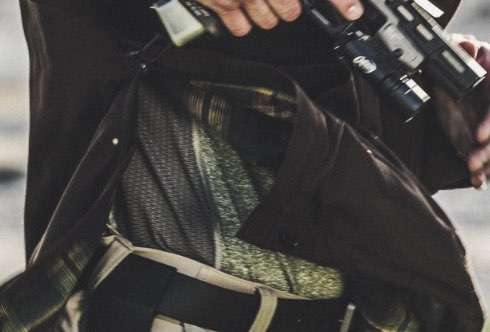
Secure Firearm Transport Comes First
Firearms should be transported only for a lawful purpose and in accordance with the requirements applying in your jurisdiction. As a general safety principle, firearms should be unloaded, secured against unauthorised access and kept out of public view during transport.
Ammunition may also need to be transported separately in a secure container. Depending on the firearm category and location, additional measures such as removing the bolt, fitting a trigger lock or securing the firearm case to the vehicle may apply.
Do not rely on a jacket, clothing pocket or ordinary backpack as a substitute for a compliant firearm case or legally required storage arrangement.
Choose a Structured Range Bag
A well-organised range bag helps separate protective equipment, tools and personal items while keeping everything easy to inspect and retrieve. Look for reinforced construction, secure zip closures, padded compartments and enough internal organisation to prevent equipment from moving around during transport.
The 5.11 Range Ready™ Bag 43L includes padded storage, removable internal organisers and dedicated space for items such as hearing protection, eye protection and range accessories. Any firearm or ammunition placed inside must still be carried in accordance with the laws applying to you.
Useful Winter Range Equipment
- Approved eye and hearing protection.
- A secure firearm case and any required locking devices.
- A separate compliant container for ammunition where required.
- A dry cloth and basic maintenance equipment for removing moisture.
- Weather-resistant gloves that can be removed before handling a firearm if they affect safe operation.
- Spare dry socks, a beanie and an insulating mid-layer.
- A sealable bag for wet or muddy clothing.
Dress in Functional Winter Layers
Bulky clothing can restrict your stance and movement, while cotton layers can remain cold after becoming wet. A more practical system combines a moisture-managing base layer, an insulating mid-layer and a weather-resistant outer shell.
Your outer layer should protect you from wind and rain without limiting shoulder or arm movement. Adjustable cuffs, secure pockets and a hem that stays in place can also help reduce distractions while moving around the range.
Explore our range of men’s tactical jackets and outerwear for waterproof shells, insulated jackets, fleece layers and adaptable multi-layer systems.
Check Your Movement Before Leaving
Put on your complete winter clothing system before travelling and check that you can comfortably:
- Raise and move your arms without the jacket pulling across your shoulders.
- Adopt the positions required for your planned range activity.
- Reach your pockets and safety equipment without fighting through multiple layers.
- Remove gloves easily if they interfere with safe firearm handling.
- See clearly around hoods, collars and other winter accessories.
Any handling or practice involving a firearm should take place only where it is lawful and safe to do so. Do not use a public location or vehicle to test firearm access.
Protect Equipment from Moisture
Moving between a cold outdoor environment and a warm vehicle or building can create condensation. Rain, mud and wet equipment can also introduce moisture into cases and storage compartments.
After your range session, inspect and dry your equipment before returning it to permanent storage. Do not leave damp clothing or wet accessories sealed inside your range bag. Firearms should be checked and maintained according to the manufacturer’s instructions before being returned to compliant storage.
Winter Range Checklist
- Confirm the transport requirements applying in your state or territory.
- Check that the firearm is unloaded and secured correctly.
- Secure ammunition separately where required.
- Pack eye protection, hearing protection and any required range documentation.
- Use warm layers that maintain comfortable movement.
- Prepare for rain, mud and moisture after the session.
- Return firearms and ammunition to compliant storage without unnecessary delay.
Prepare for the Conditions, Not Just the Cold
A safe winter range trip depends on more than wearing a heavy jacket. Secure transport, organised equipment, weather protection and a clear understanding of your legal responsibilities should all be part of the plan.
Prepare your kit with a purpose-built Range Ready™ Bag, dependable tactical outerwear and the safety equipment required by your range.