 YOU ARE SHOPPING ON OUR


EMS Gear Essentials: What to Pack in Your Tactical Medical Kit
SWAT medics, field medics, first responders, EMTs and other emergency personnel need a reliable tactical medical kit that keeps essential equipment organised and accessible. When you're already carrying mission-specific equipment, choosing what goes into your medical bag – and how you organise it – becomes especially important.
At a minimum, professional users should carry the equipment required by their organisation, unit, training and standard operating procedures. If you're building or organising your own kit, start with the essentials and choose Fire & EMS gear and storage appropriate to your role and environment.
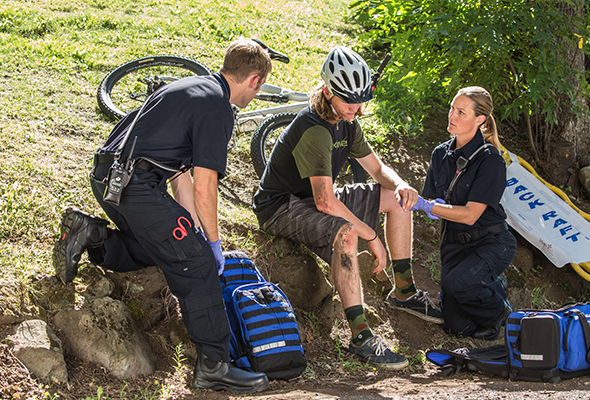
What to Pack in a Basic EMS Tactical Kit
Every tactical medical bag should begin with the personal protective equipment and medical supplies appropriate to the user's level of training and scope of practice.
Depending on your role, a basic medical kit may include:
- Personal protective equipment such as gloves, masks and eye protection
- Airway management equipment appropriate to your training
- Patient assessment equipment
- Routine wound-care supplies
- Trauma shears
- Dressings and other trauma supplies
A compact medical organiser such as the Ignitor Med Pouch can help separate medical equipment from the rest of your load, while larger setups may require additional tactical or MOLLE pouches.
Routine Care Medical Kits
A routine-care or backup medical kit may need to cover common injuries and basic patient assessment rather than major trauma alone.
Depending on your qualifications and operational requirements, equipment may include:
- Basic wraps and bandages
- Blood pressure cuff
- Burn-care supplies
- Cold and hot packs
- Gauze and tape
- Additional PPE
- Splints
- Trauma shears
- Tweezers
- Wound and eye irrigation supplies
- Personal protection items such as sunscreen and insect repellent
Organisation tip: Carrying additional supplies only helps if you can find them quickly. Group similar equipment together and give frequently used items a consistent location within your medical bag or pouch.
Trauma Kits
Professional trauma kits can require more specialised equipment. What belongs in your kit should be determined by your training, scope of practice, organisational requirements and the environment in which you operate.
Depending on those requirements, trauma equipment may include:
- Trauma dressings
- Hemorrhage-control equipment
- Airway equipment
- Patient stabilisation equipment
- Additional PPE
- Patient transport equipment
Specialised medical equipment should only be carried and used where appropriate to the user's training, authorisation and applicable procedures.
CBRN and Specialist Medical Kits
Chemical, biological, radiological and nuclear environments require specialist training and equipment beyond a conventional first-aid or trauma kit.
Professional users operating in these environments should build their equipment around organisational procedures and approved protective systems rather than treating a standard tactical medical kit as sufficient protection.
Specialist requirements may include:
- Appropriate personal protective equipment
- Decontamination equipment
- Additional burn-care supplies
- Patient monitoring equipment
- Specialist respiratory or airway equipment
- Additional medical supplies appropriate to the operating environment
The exact configuration should always reflect your role, training and organisational requirements.
What Is a Tactical Medical Kit?
Quick answer: A tactical medical kit is an organised collection of medical supplies carried in a bag, backpack or pouch designed to keep equipment protected and accessible. Professional kits vary significantly depending on the user's role, training and operating environment.
The equipment itself is only part of the system. How it is stored can determine how quickly individual supplies can be located when they're required.
That's why tactical medical setups often use a combination of a larger tactical bag or backpack and smaller medical or MOLLE pouches for organisation.
Medical Pouch vs Medical Bag: What's the Difference?
| Storage Type | Best For | Main Advantage |
| Compact Medical Pouch | Essential or frequently accessed supplies | Small, organised and easy to integrate with other equipment |
| Larger Medical Bag | Broader medical equipment loads | Greater capacity and room for additional organisation |
| Tactical Backpack | Larger loads or equipment carried over distance | Distributes the load across both shoulders |
| MOLLE Pouch | Modular equipment organisation | Can integrate with compatible bags and carrying systems |
How Should You Organise a Tactical Medical Kit?
Prioritise access, consistency and separation. Equipment that may be required quickly should have a predictable location, while different categories of supplies should be separated so you don't have to search through the entire kit.
Group Similar Equipment Together
Keep related supplies together rather than distributing them randomly throughout the bag.
Depending on the kit, this might mean separating:
- Personal protective equipment
- Basic wound-care supplies
- Assessment equipment
- Trauma equipment
- Environmental protection
- Personal supplies
Keep Frequently Used Equipment Accessible
Items you expect to reach for regularly should not sit underneath larger or less frequently used equipment.
Use Smaller Pouches to Create Modules
Smaller tactical pouches can be used to divide a larger medical setup into logical equipment groups.
This modular approach can make it easier to identify, access and replenish specific groups of supplies.
Keep the Layout Consistent
A medical bag becomes easier to use when equipment returns to the same location after every inspection or use.
Changing the organisation constantly can make equipment harder to locate when time matters.
What Should You Look for in a Tactical Medical Bag?
The right medical bag depends on how much equipment you need to carry and how the bag will be transported.
Useful features can include:
- Multiple compartments: Helps separate different equipment categories.
- Durable construction: Important for repeated professional or outdoor use.
- Accessible opening: Makes it easier to see and retrieve equipment.
- Strong handles: Important when carrying heavier loads.
- Comfortable straps: Particularly relevant when equipment needs to be carried over distance.
- MOLLE compatibility: Allows compatible pouches to be added or rearranged.
- Internal organisation: Mesh pockets, dividers or organisers can prevent smaller supplies from becoming mixed together.
Explore the 5.11 Fire & EMS range for equipment designed around first responders and emergency-service professionals.
Should a Medical Kit Use MOLLE?
MOLLE isn't essential for every medical setup, but it can provide useful modularity.
Compatible MOLLE pouches can be attached to suitable carrying platforms or used as organisers within a larger bag.
This can be particularly useful when different equipment groups need to be separated or moved between compatible bags.
A MOLLE system should still remain organised. Adding more pouches doesn't automatically make a medical kit more effective – each attachment should have a clear purpose.
How Big Should a Tactical Medical Bag Be?
There is no universal ideal size because an individual first-aid setup and a professional EMS load have completely different requirements.
| Setup | Typical Requirement |
| Compact medical pouch | Smaller collection of essential supplies |
| Expanded medical kit | Additional organisation and room for broader equipment |
| Professional EMS setup | Capacity determined by role, procedures and required equipment |
| Medical backpack | Larger equipment load that may need to be carried over distance |
Don't choose a larger bag simply because it offers more capacity. Extra space can encourage unnecessary equipment and increase overall weight.
Tactical Medical Kit vs General Emergency Kit
A tactical medical kit is specifically organised around medical supplies and patient care. A general emergency or preparedness kit covers a much broader range of needs such as water, food, lighting, shelter and communication.
If you're building a broader emergency setup rather than a dedicated medical kit, read our Beginner's Guide to Making Your Own Tactical Kit.
How Often Should You Check Your Medical Kit?
Medical kits should be inspected regularly and after use.
Check for:
- Expired supplies
- Damaged packaging
- Missing or depleted equipment
- Contaminated supplies
- Changes to organisational requirements
- Changes to your role or training
- Equipment that is no longer required
Frequently used equipment should be replenished as soon as practical so the kit remains ready for its intended purpose.
Frequently Asked Questions About Tactical Medical Kits
What should be in a tactical medical kit?
The contents depend on the user's training, role and environment. Basic kits may contain PPE and general first-aid supplies, while professional EMS or trauma kits can require substantially more specialised equipment.
What is the difference between an IFAK and a medical bag?
An IFAK is generally a compact individual medical kit, while a larger medical bag can carry a broader range and greater quantity of equipment. Exact configurations vary according to role and requirements.
What is the best way to organise a medical bag?
Group similar supplies together, keep frequently accessed equipment easy to reach and use smaller organisers or pouches to separate different equipment categories.
Can MOLLE pouches be used for medical equipment?
Yes. Compatible MOLLE pouches can provide modular storage for medical supplies and can integrate with compatible bags, backpacks and other carrying platforms.
Can a tactical backpack be used as a medical bag?
Yes, provided the backpack offers appropriate capacity and organisation. A backpack can be particularly useful when a larger equipment load needs to be carried over distance.
How often should an EMS kit be checked?
Professional users should follow their organisation's inspection requirements. More generally, medical kits should be checked regularly and after use for missing, depleted, damaged or expired supplies.
Build Your Medical Kit Around Organisation and Access
The best tactical medical setup isn't necessarily the one carrying the most equipment. It is the one that carries the equipment appropriate to your role in a way that is organised, accessible and practical to transport.
Explore our Fire & EMS gear, compare tactical and MOLLE pouches, or browse tactical backpacks and bags for larger carrying requirements.