 YOU ARE SHOPPING ON OUR


EDC Items to Carry in Your EMS Pants
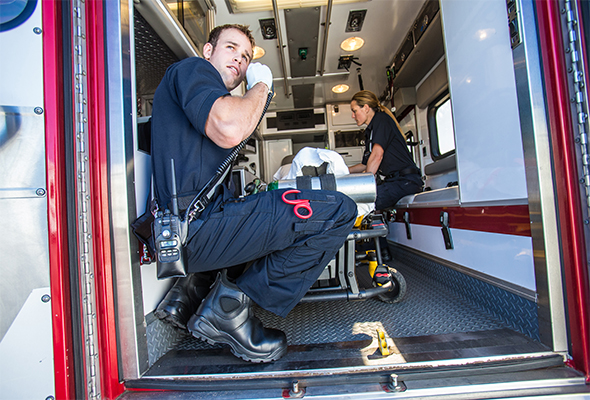
EMTs, paramedics and emergency responders often need access to essential equipment without reaching for a larger medical bag. Well-designed EMS pants provide dedicated pockets and organised storage so commonly used gear can stay accessible while you move, kneel, lift and work around a patient.
Shop EMS & Work Gear
Choose pants and carry gear based on the equipment you need to access, how often you use it and how much freedom of movement your role requires.
What to Carry in Your Hip Pockets
Hip pockets are best used for compact personal items and equipment that does not interfere with movement. Bulky or rigid objects can become uncomfortable when sitting, squatting or working in confined spaces.
Common hip-pocket items can include:
- Phone
- Keys
- Wallet or ID
- Small notebook
- Pen
Compact items can also form part of an everyday carry setup , but equipment should always be positioned so it does not restrict your movement or create a pressure point when kneeling or sitting.
Essential EMS Gear for Cargo Pockets
Large thigh pockets are one of the most useful features of EMS and tactical cargo pants. They allow frequently used equipment to stay organised and accessible while keeping the hands free.
Depending on your role, workplace procedures and authorised equipment, useful cargo-pocket items may include:
- Disposable gloves
- Penlight
- Trauma shears
- Notebook and pens
- Hand sanitiser or wipes
- Small medical reference cards
- Masks
- Compact torch
- Approved multi-tool
- Other role-specific equipment
Organisation tip: Keep frequently used items in a consistent pocket location. A repeatable setup makes equipment easier to find without having to search through several pockets.
Why EMS Pants Use Specialised Cargo Pockets
EMS pants differ from standard trousers because storage and mobility are built into the design. Features can include divided cargo compartments, secondary pockets, reinforced knees and wider belt loops for carrying additional equipment.
The 5.11 TACLITE® EMS Pant includes compartmentalised cargo pockets, secondary calf pockets, reinforced knees and double-time belt loops, giving emergency responders several options for organising equipment.
What to Keep in Your Back Pockets
Back pockets are usually better suited to flatter items. Hard, sharp or bulky equipment can become uncomfortable when sitting and can interfere with movement.
Suitable items may include:
- Wallet or identification
- Reference cards
- Folded notes
- Small documentation
Equipment placement should ultimately follow your organisation's procedures and the demands of your role.
Using a Tactical Belt to Free Up Pocket Space
Not every item needs to sit inside your pants. Moving suitable equipment onto a belt can reduce pocket bulk and keep commonly used gear accessible.
Browse 5.11 tactical belts for compatible belt options, or use MOLLE pouches to organise appropriate equipment outside your pant pockets.
Belt-mounted gear should be positioned so it stays secure without interfering with bending, lifting, vehicle access or patient care.
How to Organise Your EMS Pants
A practical pocket setup prioritises accessibility rather than simply carrying as much equipment as possible.
- Identify the small items you use most frequently.
- Place those items in pockets that can be reached easily with minimal movement.
- Keep bulky or rigid equipment away from areas that make kneeling or sitting uncomfortable.
- Use dedicated pocket compartments to separate items rather than allowing everything to move around inside one large cargo pocket.
- Move appropriate equipment to a belt or pouch when your pockets become overloaded.
- Keep your layout consistent so you know where each item is stored.
Choosing EMS Pants for Work
When comparing EMS pants, consider pocket organisation, durability, mobility, knee reinforcement, belt compatibility and the amount of equipment you regularly carry.
Browse the dedicated 5.11 EMS Pants range or compare the broader Men's Tactical Pants range if you need durable pants for work, duty or other demanding applications.