 YOU ARE SHOPPING ON OUR


The story behind...
CARGO PANTS
From the front lines to city streets, cargo pants have carried more than just gear – they’ve carried history.
Born out of military necessity and designed for utility, these pocket-packed trousers have evolved into an enduring style icon. Their story is one of function first, fashion second – and it all started nearly a century ago.
A LEGACY OF UTILITY
Did you know the roots of cargo pants stretch back to military innovation? Their story begins with the British Army in 1938 and their latest Battle Dress Uniform. This groundbreaking design featured a large, practical ammunition and map pocket positioned on the thigh and another on the hip.
From battlefield innovation to iconic design
During World War II, this functional concept was adopted and refined by the U.S. military, notably by American paratroopers. They developed a modified version that included cargo pockets on both sides of the trousers, designed to carry everything from maps to ammunition for soldiers operating deep behind enemy lines.
These now-iconic, pocket-laden trousers even earned a memorable nickname. Facing off against U.S. paratroopers in Italy, a German officer, impressed by their appearance and unpredictable tactics, reportedly dubbed them the "devils in baggy pants".
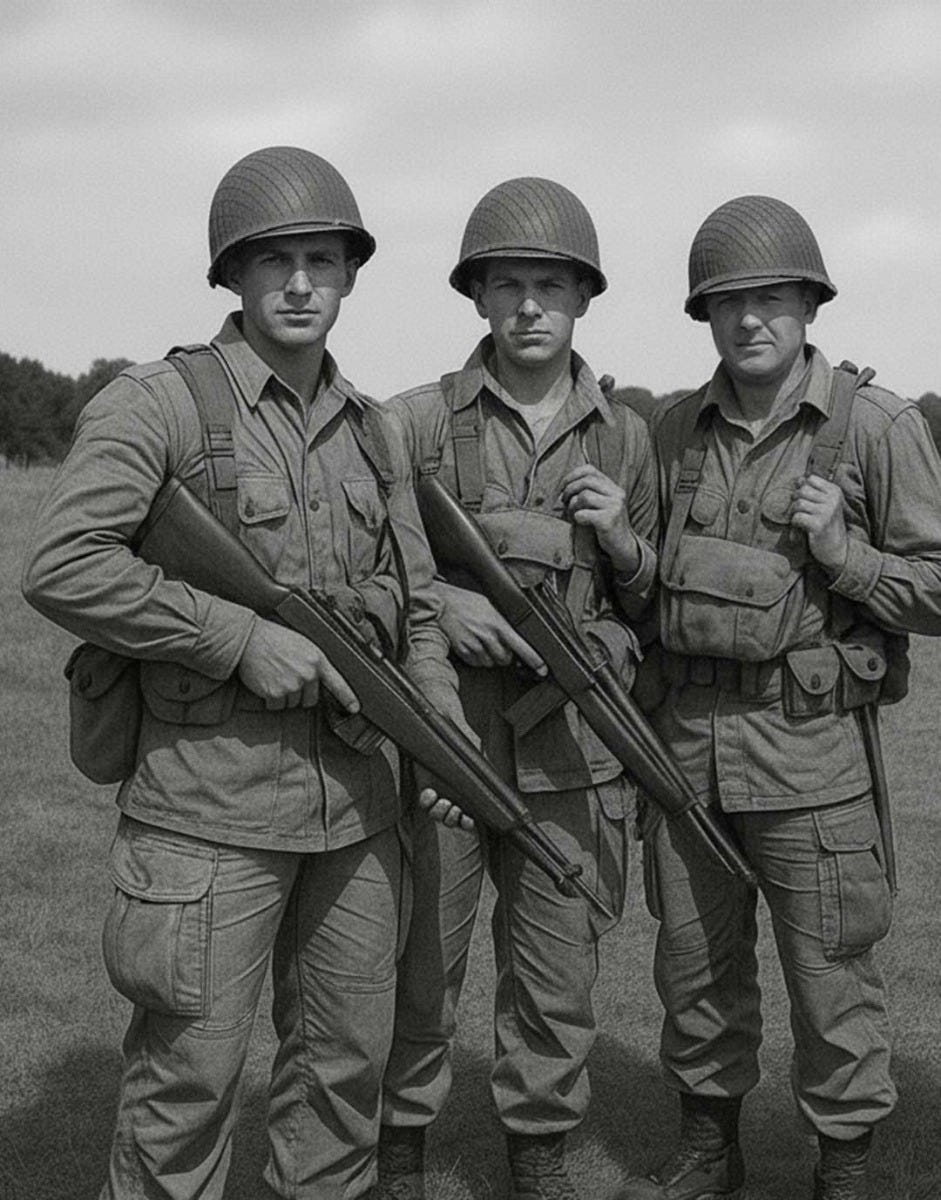
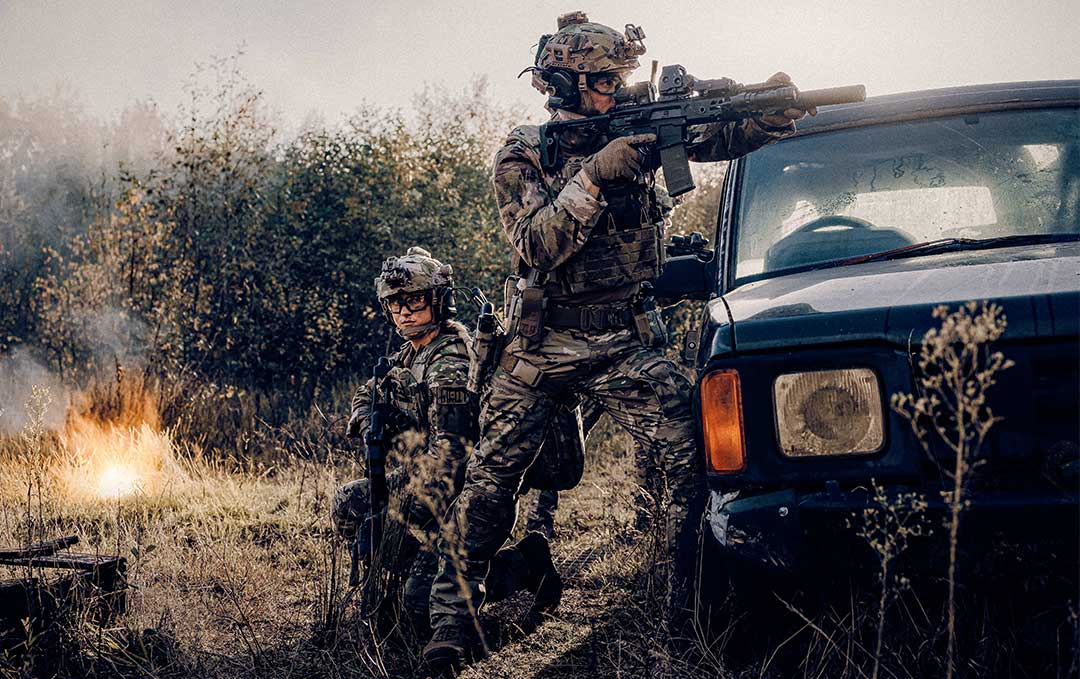
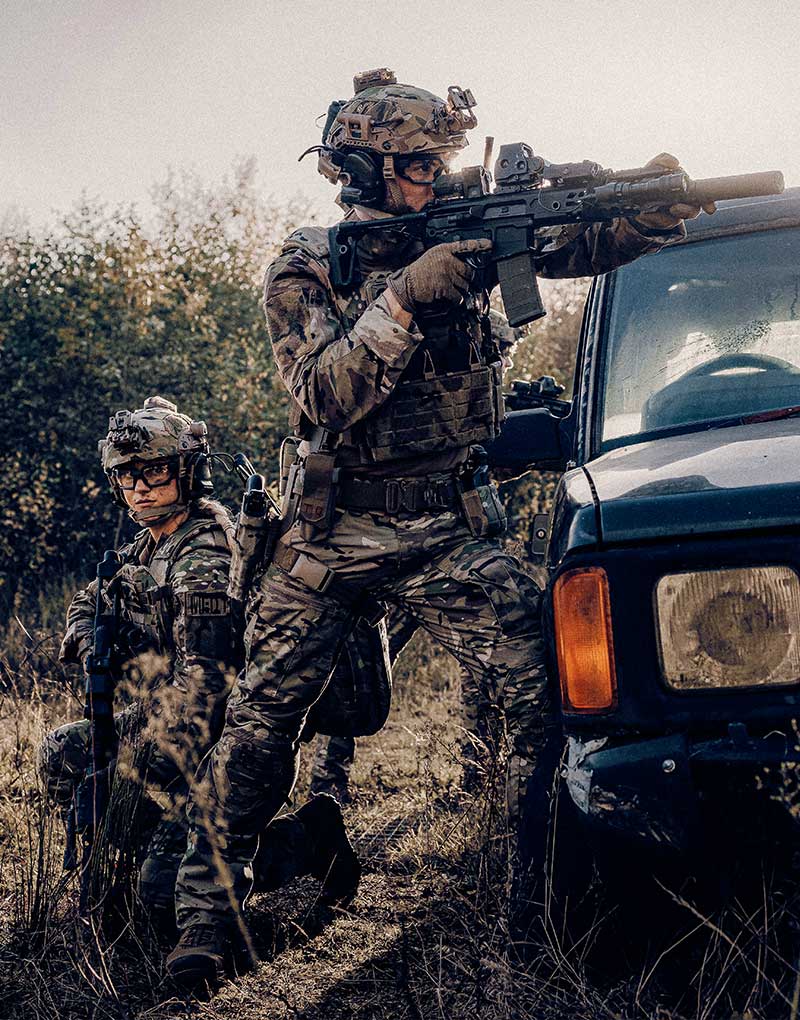
The Post-War Rise of Cargo Pants
Following the war, the practical advantages of the dual-pocket cargo pant led to its widespread adoption. By the 1950s, variations of this utilitarian trouser had become a standard issue across the U.S. military branches.
Built for the demanding environment of battle, with features like durable fabric and a cut designed for movement, it’s this battlefield-born functionality that still makes cargo pants a popular and practical choice in civilian fashion today.
Carrying the Legacy Forward
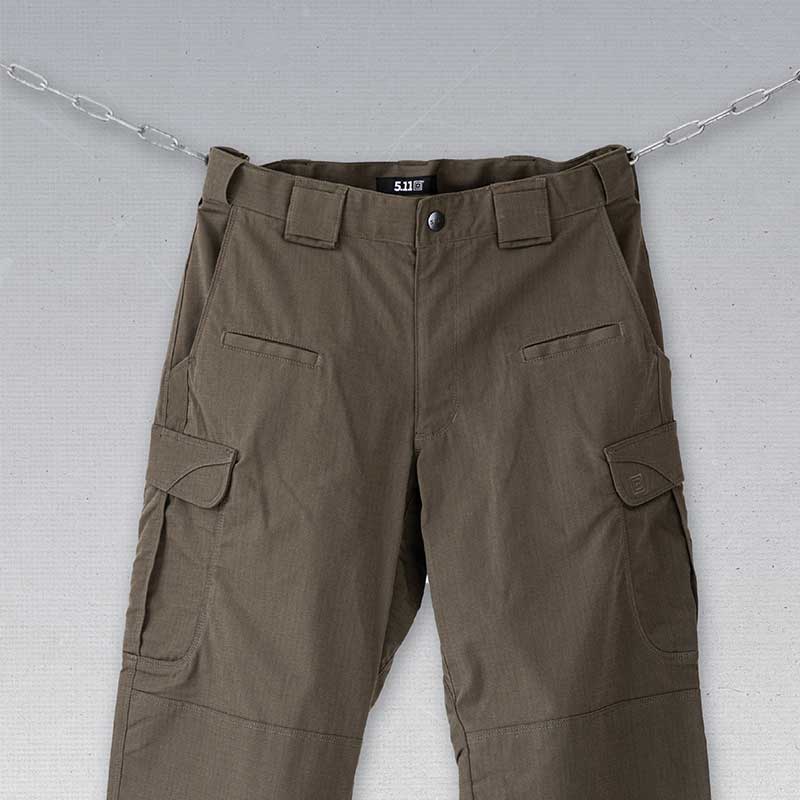
Looking for modern cargo performance? Check out the 5.11 Stryke® Pant. These durable trousers built from 5.11’s Flex-Tac® mechanical stretch canvas feature numerous pockets and a comfort waistband – continuing the legacy of those military originals – but with a modern twist.
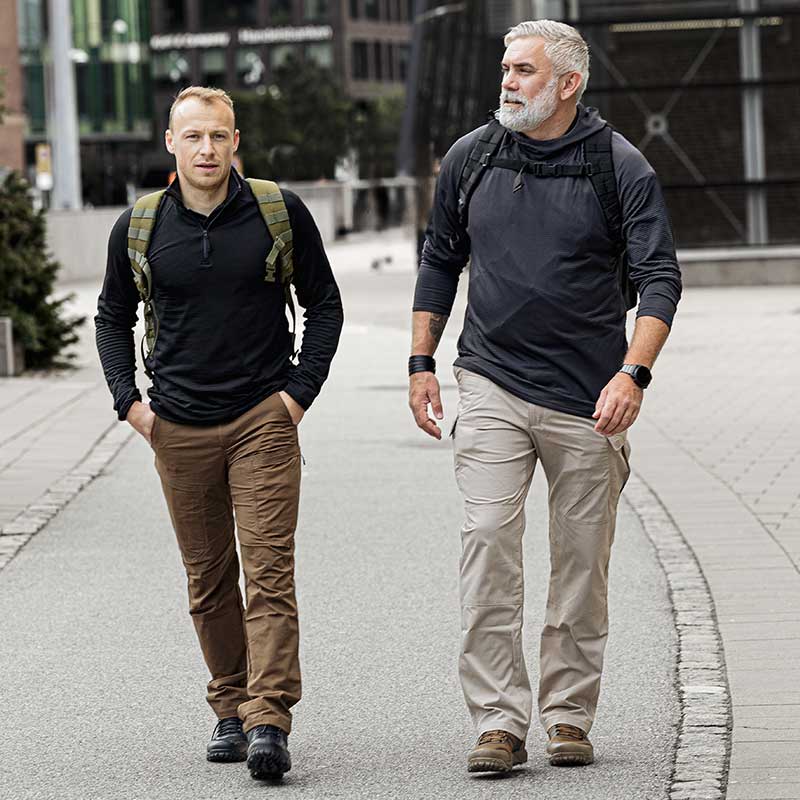
Read The Story Behind...
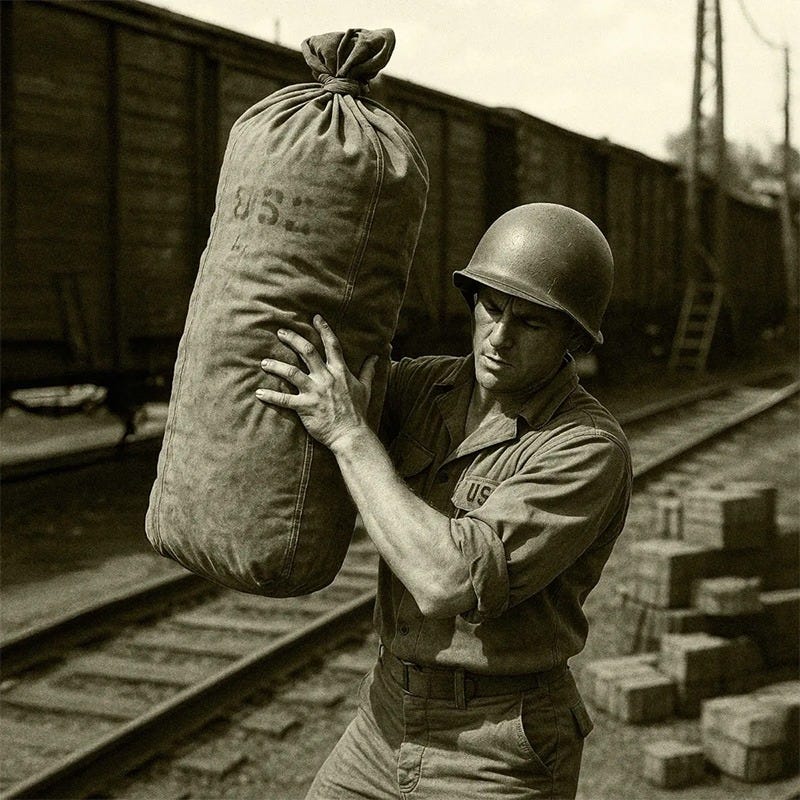
DUFFEL BAG
What’s the story behind one of the most iconic bags in history? The duffel bag has been everywhere – soldiers’ trucks, troop ships, and eventually suitcases’ shelves. Its simple, durable design made it indispensable for carrying gear, and its legacy lives on in every adventure-ready bag today.

MOLLE
What began as a soldier’s frustration with rigid, uncomfortable gear became one of the most important innovations in modern tactical design. The MOLLE system redefined flexibility, giving soldiers and tactical professionals the freedom to carry what they need, where they need it.
Some images on this page are AI-generated, styled to reflect the era when these products first served in the field.