 YOU ARE SHOPPING ON OUR


The story behind...
MOLLE
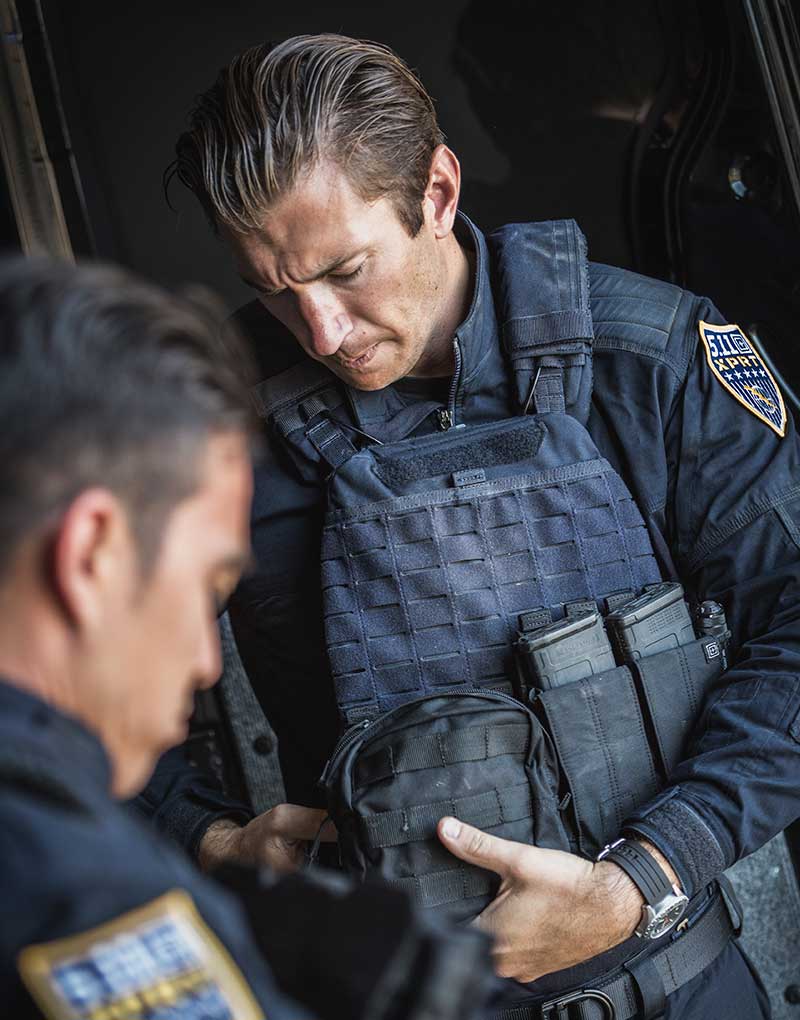
What began as a soldier’s frustration with rigid, uncomfortable gear became one of the most important innovations in modern tactical design. The MOLLE system redefined flexibility, giving soldiers and tactical professionals the freedom to carry what they need, where they need it.
From ALICE to Innovation
For decades after Vietnam, the U.S. military relied heavily on the ALICE (All-purpose Lightweight Individual Carrying Equipment) system. While an improvement on earlier gear, ALICE had significant limitations. It was often uncomfortable, gear placement was relatively fixed, and it didn’t adapt well to difficult mission requirements or new equipment. Soldiers often resorted to cutting and modifying their gear to suit their needs.
Recognising these challenges, the U.S. Army Natick Soldier Research, Development and Engineering Center embarked on developing a revolutionary new system, leading in the 1990’s to the introduction of the MOLLE (Modular Lightweight Load-carrying Equipment) system.


A Modular Revolution
A core part of this new system was the PALS (Pouch Attachment Ladder System) webbing – rows of heavy-duty nylon webbing precisely sewn horizontally onto vests, packs, and pouches. This allowed for a previously impossible degree of modularity.
MOLLE was revolutionary. Instead of a one-size-fits-all gear setup, soldiers could attach and reposition pouches for ammo, med kits, radios, or hydration bladders. The weight could be distributed to reduce strain and it ensured that critical gear was always within immediate reach.
The system became a global standard, adopted by NATO allies and police tactical units alike and profoundly influenced the design of almost all modern tactical gear.
Carrying the Legacy Forward
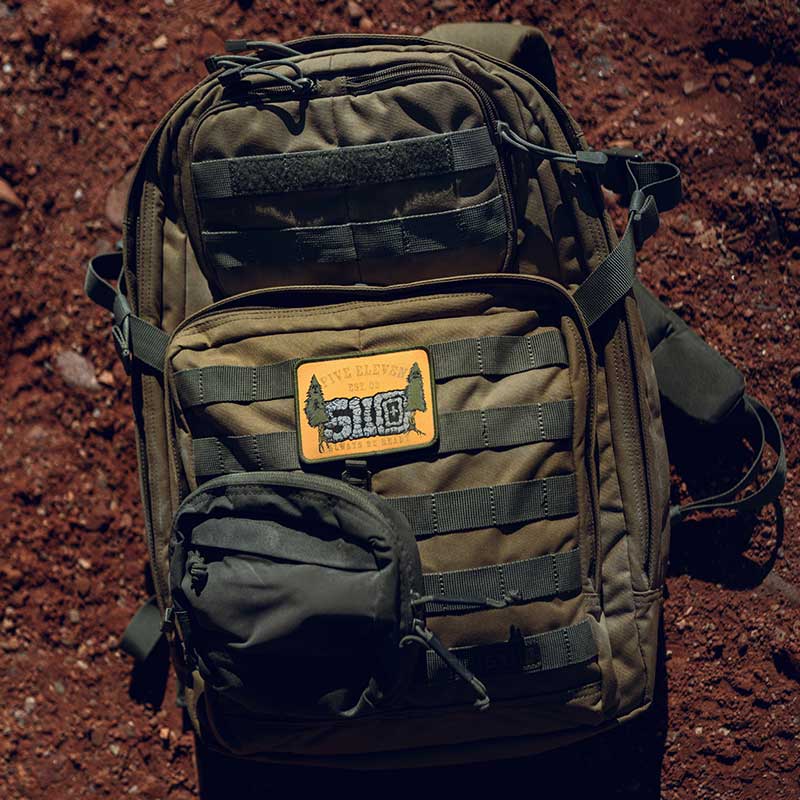
There’s too much to list — but if you’re looking for MOLLE-compatible gear, start with our RUSH® Backpacks and tactical pouches.
Read The Story Behind...
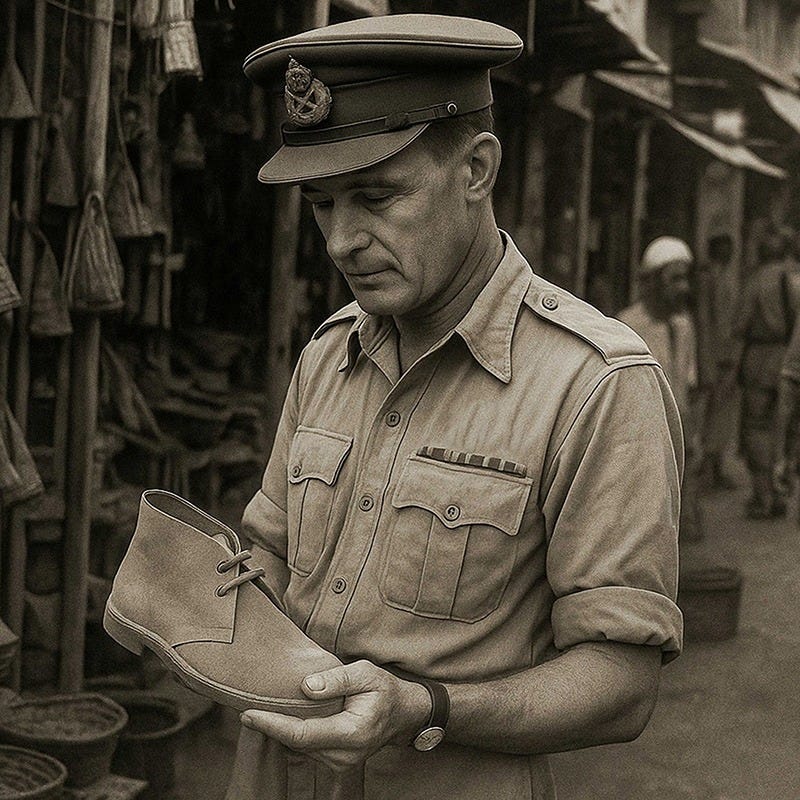
CHUKKA BOOTS
The desert can expose every weakness – including in your boots. British officers in North Africa discovered a simple, surprising solution that made long marches and harsh terrain far easier to handle. What they found would quietly inspire a classic design still admired today.

FLEECE JACKET
What we now consider an everyday outdoor essential began as a military breakthrough. The fleece jacket was born from the U.S. Army’s search for lighter, warmer, and faster-drying gear – an innovation that transformed cold-weather clothing for soldiers and civilians alike.
Some images on this page are AI-generated, styled to reflect the era when these products first served in the field.
