 YOU ARE SHOPPING ON OUR


Beginner's Guide to Making Your Own Tactical Kit
Your tactical kit (often called a Bug-Out Bag or Go Bag) should include the essential equipment you may need during an emergency. The question isn't simply what you need in your kit – it's how prepared you want to be and how long you need your equipment to support you.
Choosing the right tactical backpack or bag is an important first step. Your pack needs enough capacity for essential equipment while remaining organised and practical to carry.
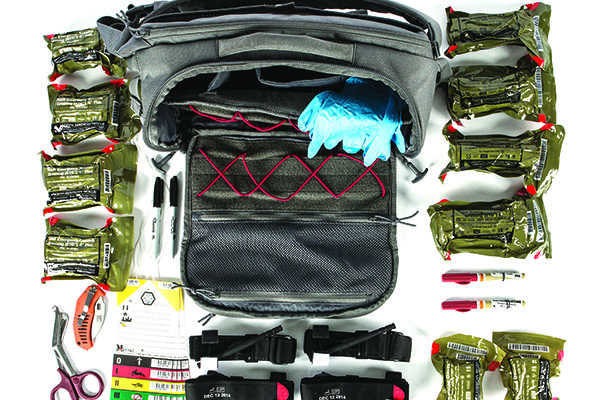
Building a Tactical Kit from Scratch
Putting together a tactical kit is about preparation rather than comfort. Start with essential equipment that is compact, useful and appropriate for your environment.
- Compass
- Fire starter
- Folding knife
- LED light
- Paracord
- Personal protection equipment
- Water purification supplies
These tactical accessories don't take up much room in a Go Bag, but they provide a foundation you can build around as your preparedness requirements increase.
Improving Your Tactical Kit
A small or mid-sized Go Bag stored with your emergency supplies should cover your essential requirements first. From there, you can add redundancy and equipment designed for longer periods away from normal services.
A more comprehensive tactical kit may also include:
- A water purification system
- A compact shelter or bivy with paracord
- Emergency cash
- Collapsible water container or hydration equipment
- Energy bars or other shelf-stable food
- A first-aid kit or UCR IFAK Pouch
- Multi-tool
- Additional lighting
If you're preparing for a specific environment, your equipment should reflect local conditions. Weather protection, sun protection and appropriate clothing can be just as important as the equipment inside your pack.
Building Your Own Full-Scale Survival Kit
A more comprehensive Bug-Out Bag requires additional equipment and will naturally become heavier. That makes backpack capacity, organisation and load distribution increasingly important.
If you're preparing for more than one scenario, smaller organisers or pouches can help separate different equipment groups inside your pack. Compatible MOLLE pouches can also provide modular storage for equipment you want to keep separate or easily accessible.
In addition to environment-specific equipment and the supplies above, a larger emergency kit may include:
- Additional clothing, particularly socks
- Emergency radio
- Batteries
- Can opener or compatible multi-tool
- LED headlamps
- Eating utensils
- Compact cooking equipment where appropriate
- Shelf-stable food
- Water
- Poncho or rain gear
- Shelter
- Sleeping bag or appropriate sleep system
- Ground pad
- Emergency blanket
- Personal hygiene items
- Working gloves
This beginner's guide to making your own tactical kit can help get you started, but your equipment should be reviewed regularly based on season, environment, expected duration and individual requirements.
What Is a Bug-Out Bag?
Quick answer: A Bug-Out Bag, sometimes called a Go Bag or emergency bag, is a pre-packed bag containing essential equipment that can be quickly taken with you during an emergency. The ideal size and contents depend on your environment, household and how long you want the kit to support you.
A Bug-Out Bag is different from an everyday backpack because it is normally packed in advance and kept ready rather than assembled immediately before use.
That makes durability, organisation and carrying comfort particularly important when choosing the backpack or tactical bag that forms the foundation of your kit.
What Size Backpack Is Best for a Bug-Out Bag?
There is no single ideal capacity because a Go Bag designed for a short emergency has very different requirements from a larger multi-day preparedness kit.
| Approximate Capacity | Best For | Considerations |
| 20–30L | Compact emergency kit | Good for essential equipment and lighter loads. |
| 30–45L | More comprehensive Go Bag | Provides additional room for clothing, food, water and equipment. |
| 45–60L | Larger multi-day kit | Greater capacity, but total pack weight becomes increasingly important. |
Don't choose capacity alone. A larger backpack gives you more storage, but it also makes it easier to overpack. Choose enough space for your actual emergency kit while keeping the final load practical to carry.
What Should You Look for in a Bug-Out Bag?
A good emergency backpack should balance capacity with organisation, durability and carrying comfort.
Useful features can include:
- Durable construction for repeated use and storage.
- Multiple compartments to separate different equipment groups.
- Comfortable shoulder straps for carrying heavier loads.
- Compression straps to stabilise partially filled packs.
- Hydration compatibility where appropriate.
- Accessible external pockets for frequently used equipment.
- MOLLE compatibility if you want modular external storage.
Explore our tactical backpacks and bags to compare different capacities and carrying systems.
How Should You Organise a Bug-Out Bag?
The goal is to make important equipment easy to find without unpacking the entire backpack.
Keep Frequently Used Equipment Accessible
Lighting, basic first aid, weather protection and other equipment you may need quickly should remain easy to reach.
Group Similar Equipment Together
Organise equipment into categories such as first aid, food, water, shelter, clothing and tools.
Smaller tactical and MOLLE pouches can help keep these groups organised.
Keep Significant Weight Close to Your Back
Heavier equipment should generally sit relatively close to your body rather than at the outer edge of the backpack. This can help keep the load more stable while you're moving.
Protect Equipment From Water
Items such as clothing, documents and electronics can be stored in waterproof internal bags or appropriate protective containers.
Bug-Out Bag vs Tactical Backpack: What's the Difference?
A tactical backpack is the bag itself; a Bug-Out Bag describes how the bag is prepared and used. A tactical backpack can become a Bug-Out Bag when it is packed with emergency equipment and kept ready for use.
| Term | Meaning |
| Tactical Backpack | A durable backpack designed around organisation, carrying capability and demanding use. |
| Bug-Out Bag | A pre-packed emergency bag containing essential equipment. |
| Go Bag | A general term for a bag kept packed and ready for rapid departure. |
| 72-Hour Bag | A preparedness kit intended around approximately three days of essential supplies. |
What Is a 72-Hour Bag?
A 72-hour bag is a type of emergency kit designed around approximately three days of essential equipment and supplies.
Because water, food, clothing and shelter equipment can quickly increase the weight and volume of a three-day kit, backpack capacity becomes especially important.
A larger tactical backpack may be more appropriate for a comprehensive multi-day setup than a compact everyday pack.
Should a Bug-Out Bag Have MOLLE?
MOLLE isn't essential, but it can make an emergency backpack more modular.
Compatible MOLLE pouches allow smaller equipment to be organised separately and attached to compatible webbing where required.
This can be useful for equipment categories that you want to access quickly or transfer between different setups.
The important principle is not to attach equipment externally simply because space is available. External equipment can increase bulk, so MOLLE works best when each attachment has a clear purpose.
How Heavy Should a Bug-Out Bag Be?
There isn't a universal ideal weight because carrying ability varies significantly between individuals.
The more important principle is that your emergency backpack should remain practical for you to carry over the distance and terrain you realistically expect to encounter.
Water can add substantial weight quickly, so review your complete packed load rather than judging the backpack while it's empty.
How Often Should You Check Your Emergency Bag?
Your Go Bag should be reviewed periodically rather than packed once and forgotten.
Check for:
- Expired food
- Expired first-aid supplies
- Battery condition
- Seasonally inappropriate clothing
- Damaged equipment
- Changed household requirements
- Unnecessary equipment adding weight
Seasonal changes are particularly important in Australia, where heat, sun exposure, heavy rain and colder conditions can require very different equipment depending on your location and time of year.
Common Bug-Out Bag Mistakes
Buying the Biggest Backpack Available
More capacity isn't automatically better. Oversized packs encourage overpacking and can make your emergency kit unnecessarily heavy.
Carrying Equipment You Don't Know How to Use
Prioritise practical equipment that you understand rather than filling your bag with specialist items simply because they appear on preparedness checklists.
Ignoring Water Weight
Water is essential but heavy. Always evaluate your backpack with the actual amount of water you intend to carry.
Leaving Everything Loose
A single large compartment can become difficult to manage. Internal organisers and tactical pouches can make equipment easier to locate.
Never Testing the Packed Backpack
Pack the bag completely and carry it before relying on the setup. This helps identify unnecessary weight, uncomfortable loading and equipment that's difficult to access.
Frequently Asked Questions About Bug-Out Bags
What should be in a basic Bug-Out Bag?
A basic emergency bag normally prioritises water, food, basic first aid, lighting, weather protection, communication, essential clothing and practical tools. Exact requirements depend on your environment and individual circumstances.
What size backpack is good for a 72-hour kit?
Many multi-day kits require more capacity than an everyday backpack, but there is no universal size. Your ideal capacity depends on clothing, water, food, shelter and the equipment required for your environment.
Can any backpack be used as a Bug-Out Bag?
Yes, provided it has sufficient capacity, durability and carrying comfort for your equipment. Tactical backpacks can be particularly useful because they often provide extensive organisation and modular storage.
Is a Go Bag the same as a Bug-Out Bag?
The terms are often used interchangeably. Both generally describe a bag containing essential equipment that is packed and ready to take with you quickly.
Does a Bug-Out Bag need MOLLE?
No. MOLLE is optional. It can provide additional modular organisation, but the overall capacity, comfort and practicality of the backpack are more important.
Should I keep a Bug-Out Bag in my car?
Some people keep emergency equipment in their vehicle, but consider temperature, security and whether particular items are appropriate to store there for extended periods.
Build Your Tactical Kit Around the Right Backpack
A good emergency kit starts with the equipment you actually need, but the backpack determines how effectively you can organise and carry it.
Choose enough capacity for your expected duration, keep the final weight manageable and organise important equipment so it can be accessed quickly.
Explore the 5.11 tactical backpacks and bags range, add organisation with our tactical and MOLLE pouches, or browse the wider Bags & Packs range to build a setup around your requirements.