 YOU ARE SHOPPING ON OUR


Outerwear Resource Guide
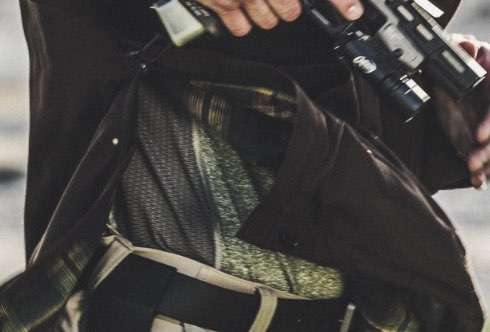

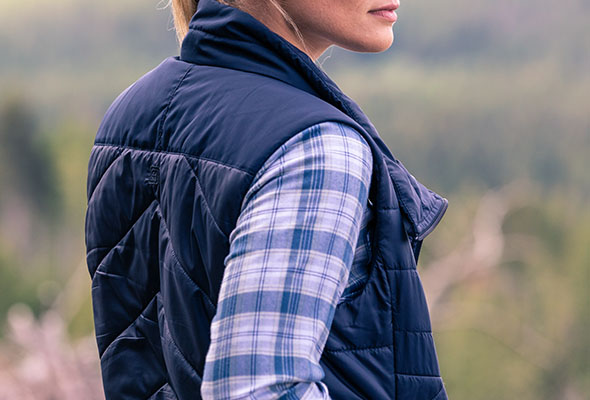


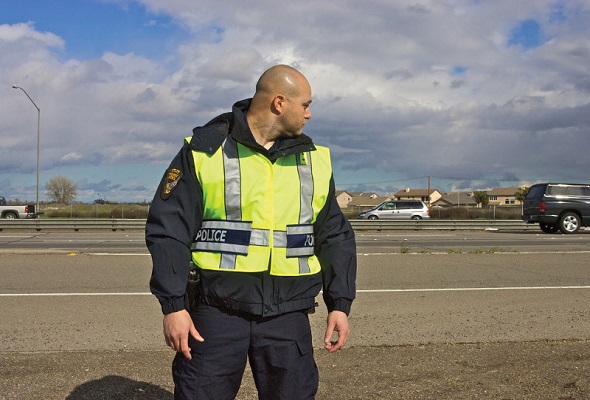
Tactical Jackets & Outerwear Australia
5.11 tactical outerwear is designed for changing conditions, active work, outdoor use and professional environments. Explore jackets, vests, waterproof layers and other outerwear built around protection, mobility and practical performance.
Explore Men's Tactical OuterwearTactical Outerwear Guide
What is tactical outerwear?
Tactical outerwear includes jackets, vests and layering systems designed to provide protection from changing conditions without unnecessarily restricting movement. Depending on the garment, features can include weather resistance, durable fabrics, stretch panels, practical pockets and designs intended for layering.
How do you choose a tactical jacket?
Start with the conditions you expect to encounter. Consider temperature, wind, rain, activity level and how much equipment or clothing you need underneath the jacket. A lightweight jacket can suit active or transitional conditions, while colder or wetter environments may require insulation, waterproof protection or a layered system.
Which type of outerwear should you choose?
The right outerwear depends on whether your priority is weather protection, warmth, mobility or lightweight coverage. Different layers can also be combined rather than relying on one heavy jacket for every condition.
How does a tactical layering system work?
A practical layering system normally combines a base layer, an insulating or mid layer and an outer layer. The base layer manages moisture, the middle layer helps retain warmth and the outer layer provides protection from wind and weather. Layers can then be added or removed as conditions and activity levels change.
What should you look for in a tactical jacket?
Useful features can include durable construction, comfortable shoulder mobility, weather resistance, breathable materials, practical pockets and adjustable cuffs or hems. The best feature combination depends on whether the jacket will be used for work, outdoor activity, travel or professional duty.
Are tactical jackets waterproof?
Not every tactical jacket is waterproof. Some are designed primarily for wind resistance, warmth or lightweight coverage, while others use waterproof materials and construction. Always check the individual product specifications when waterproof protection is required.
What is the difference between waterproof and water-resistant outerwear?
Water-resistant outerwear is designed to handle limited exposure to moisture, such as light rain, while waterproof garments are built to provide greater protection during sustained wet conditions. Construction, seams and fabric technology all affect the level of protection a jacket can provide.
What are the best tactical jackets for Australian conditions?
Australia's varied climate makes versatility particularly useful. Lightweight and breathable outerwear can work well in warmer or transitional conditions, while waterproof shells and insulating layers can be added for colder and wetter environments. Read the 5.11 guide to tactical jackets for different seasons for more information.
When should you wear a base layer?
Base layers are useful when you need to manage moisture or build a flexible clothing system for changing temperatures. The material and weight should match your activity level and expected conditions. Read the 5.11 guide to choosing base layers for more detail.
What is the difference between a tactical jacket and a regular jacket?
Tactical jackets generally place greater emphasis on mobility, durability and practical functionality. Depending on the design, this can include reinforced construction, technical fabrics, additional storage, adjustable fit systems and compatibility with equipment or layered clothing.
Are tactical jackets suitable for everyday wear?
Yes. Many modern tactical jackets use lower-profile designs that work for commuting, travel, outdoor activities and everyday wear while retaining durable materials and practical features. The right choice depends on how much tactical functionality you actually need.
How should a tactical jacket fit?
A tactical jacket should allow comfortable movement through the shoulders and arms without excessive loose material. Consider whether you will wear base layers, uniforms or insulating layers underneath, as this can affect the size and fit you need.
How should tactical outerwear be cared for?
Always follow the care instructions supplied with the individual garment. Technical fabrics, waterproof treatments and reflective materials can require different washing and drying methods from standard clothing. Hi-vis garments in particular require careful maintenance to protect their visibility properties. See the 5.11 guide to cleaning hi-vis jackets for specific guidance.