Competitive Shooting Gear Checklist for Australian Matches
Competitive shooting requires more than arriving with the equipment used in the match. Clothing, bags, weather protection, personal protective equipment and small organisational items can all affect how smoothly competition day runs.
The exact requirements depend on the discipline, club, state or territory and individual match rules, so always check the official match information before travelling.
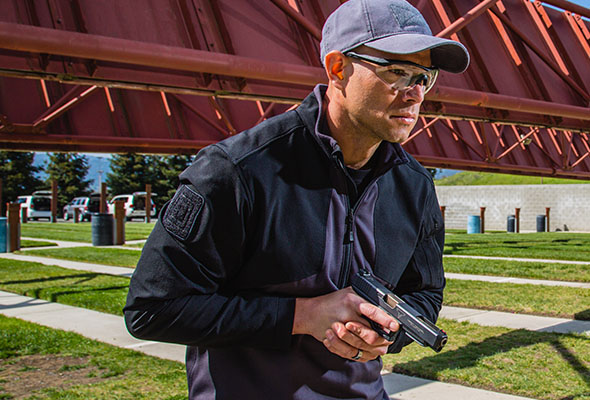
Quick answer: Your competition checklist should cover the equipment required by the match, approved eye and hearing protection, a secure range bag or case, weather-appropriate clothing, a suitable belt where required, hydration, basic personal items and the documentation requested by the club or organiser. Match and licensing requirements vary, so confirm the current rules before every event.
Competitive Shooting in Australia
Australian competitive shooting includes multiple disciplines organised through clubs and national bodies.
IPSC Australia, for example, currently recognises practical-shooting disciplines including:
- Handgun
- Rifle
- Shotgun
- Pistol Calibre Carbine
- Mini-Rifle
- Action Air
Different disciplines use separate rule books and can also be affected by Australian state and territory legislation.
Australian competitors: always follow the licensing conditions, club requirements, match rules and state or territory laws that apply to your discipline. Equipment allowed in overseas competitions may not necessarily be permitted or available in Australia.
Start With the Match Rules
The most important preparation step is checking the information provided by the competition organiser.
Confirm:
- Competition discipline
- Equipment division or category
- Required safety equipment
- Club-specific requirements
- Registration and sign-in requirements
- Range opening and briefing times
- Dress or footwear requirements
- Any restrictions relating to bags or equipment storage
IPSC Australia publishes separate rules for its disciplines and states that match design and conduct must give primary consideration to safety. :contentReference[oaicite:2]{index=2}
Competition Day Checklist
| Category | What to Check |
| Match Equipment | Only the equipment permitted for your discipline, division and local legal requirements |
| Safety Equipment | Approved eye and hearing protection plus any additional PPE required by the range |
| Storage | Suitable range bag or case appropriate to your equipment and club requirements |
| Clothing | Comfortable, weather-appropriate clothing that allows unrestricted movement |
| Footwear | Stable, comfortable footwear appropriate to the range surface and weather |
| Belt | Appropriate belt system if required by the discipline |
| Personal Items | Water, food, sunscreen, hat and weather protection |
| Documentation | Membership, registration, licensing or identification required by the organiser |
Choose a Good Range Bag
A competition day can involve carrying protective equipment, clothing, tools, paperwork, water and other personal items around a range for several hours.
A useful range bag should make that equipment easy to organise.
Look for:
- Multiple compartments
- Durable handles
- Secure closures
- Structured organisation
- Enough capacity without becoming unnecessarily bulky
- Easy access to frequently used personal items
- Materials appropriate to outdoor range conditions
The current Australian 5.11 Bags & Packs range includes the Range Ready™ Bag 43L and Range Qualifier™ Bag 18L alongside larger equipment and travel bags. :contentReference[oaicite:3]{index=3}
Browse 5.11 Bags & Packs to compare current Australian options.
How Big Should a Competition Range Bag Be?
The best size depends on how much equipment you need to carry and whether you prefer one larger bag or several smaller organised cases.
| Bag Size | Best Starting Point For |
| Compact | Essential PPE, documents and lighter competition-day loads |
| Medium | Most range-day gear, clothing and personal equipment |
| Large | Competitors carrying additional clothing, support equipment or travelling for an event |
A bigger bag is not automatically better. Extra capacity can become unnecessary weight if it encourages you to carry equipment you rarely use.
Eye and Hearing Protection
Eye and hearing protection are fundamental parts of range safety.
The exact requirements can vary by range or competition, so use protective equipment that meets the organiser's rules and is appropriate to the activity.
Consider:
- Secure fit
- Comfort during extended wear
- Compatibility with hats or other PPE
- Lens visibility in the expected conditions
- Hearing protection suitable for the range environment
Competition Clothing
Competition clothing should support movement and remain comfortable through repeated standing, walking and changes in body position.
Look for clothing that provides:
- Freedom of movement
- Breathability
- Durable construction
- Comfort in the expected weather
- Secure pockets for permitted personal items
Do not choose clothing purely because it looks tactical. Fit and movement matter more during an active competition day.
Competition Shooting Pants
Pants need enough mobility for the movement required by the discipline while remaining comfortable throughout a long day.
Useful features can include:
- Stretch fabric
- Reinforced stress areas
- Articulated knees
- Secure pockets
- Comfortable waistband construction
- Durable fabric
The 5.11 Stryke™ Pant is one current example built with Flex-Tac® stretch fabric and a movement-focused tactical design.
The broader 5.11 Men's Tactical Pants range also includes Apex, Ridge, ABR™ Pro and Taclite® Pro options suited to different environments and levels of activity. :contentReference[oaicite:4]{index=4}
Choosing a Competition Belt
Some practical-shooting disciplines use belt-mounted competition equipment, making the belt an important part of the clothing and equipment system.
The exact configuration must follow your discipline and match rules.
From a clothing and support perspective, consider:
- Rigidity
- Secure adjustment
- Compatibility with your pants
- Comfort during movement
- Compatibility with approved competition equipment
The current Australian 5.11 Tactical Belts category includes Trainer, Operator, Maverick and duty-oriented belts with different levels of structure and intended use. :contentReference[oaicite:5]{index=5}
Important: equipment placement and belt configuration should follow the rules of your competition and approved training. Do not assume a belt setup that is permitted in one discipline or country is permitted in another.
Competition Shirts
For active matches, look for a shirt that remains comfortable during movement and in changing weather.
Useful features include:
- Breathable fabric
- Moisture management
- Stretch
- Low-bulk construction
- Freedom through the shoulders
For outdoor Australian matches, sun protection and heat management can be just as important as mobility.
Competition Jackets and Weather Layers
Outdoor competitions can continue through cool, windy or wet conditions, so a lightweight outer layer is often worth carrying even when the forecast looks favourable.
Choose outerwear according to the actual conditions:
| Conditions | Starting Point |
| Hot / Sunny | Lightweight clothing, hat and sun protection |
| Cool Morning | Packable jacket or light fleece |
| Wind | Lightweight wind-resistant shell |
| Rain | Waterproof outer layer |
| Cold Conditions | Base layer, insulation and weather shell as required |
Browse 5.11 Jackets & Parkas if you need a packable or weather-protective layer for outdoor range days.
Do You Need Gloves?
Gloves are optional in many competition environments unless the organiser or activity requires them.
If you wear gloves, prioritise:
- Good fit
- Dexterity
- Breathability
- Grip
- Comfort over prolonged use
The current Australian 5.11 Tactical Gloves range includes lightweight and work-focused options such as the High Abrasion 2.0, Station Grip 3.0, Taclite 4.0 and TAC A4. :contentReference[oaicite:6]{index=6}
Footwear for Competition Days
Footwear should match the range surface, weather and amount of movement required.
Look for:
- Reliable traction
- Secure fit
- Comfort over several hours
- Weather suitability
- Enough support for the terrain
A tactical trainer or lower-profile shoe can work well on maintained ranges, while boots may make more sense on rough, wet or uneven outdoor sites.
Explore the current 5.11 Footwear range to compare shoes and boots.
Australian Weather Essentials
Competition preparation in Australia should account for heat and UV exposure as seriously as cold or rain.
Depending on the venue and season, useful personal items can include:
- Water
- Food or snacks
- Sunscreen
- Hat
- Light rain jacket
- Warm layer
- Change of socks
- Small towel
For outdoor Australian matches, weather preparation can make as much difference to comfort as specialised competition clothing. Check the forecast and range conditions before leaving home.
Documents and Match Information
Do not leave administrative preparation until arrival.
Depending on the event, you may need:
- Match registration confirmation
- Club membership details
- Relevant licences or permits
- Identification
- Squad or briefing information
- Accommodation or travel information for away matches
IPSC Australia membership processes and equipment rules can vary according to state requirements, which is another reason to confirm details with your club before competition day. :contentReference[oaicite:7]{index=7}
IPSC Australia vs US Competition References
Many older competition guides online focus on US organisations such as USPSA, IDPA and NRA competitions.
Australian competitors should instead start with the rules of the organisation and club running their match.
IPSC Australia is the Australian body recognised for the management and regulation of practical shooting and currently runs local, state, national and international-level competition pathways. :contentReference[oaicite:8]{index=8}
The Sporting Shooters' Association of Australia also operates Practical Shooting competitions and publishes its own current rule books and event information. :contentReference[oaicite:9]{index=9}
Common Competition Preparation Mistakes
Using an Overseas Checklist Without Checking Local Rules
Australian legislation, equipment restrictions and competition rules can differ significantly from overseas events.
Leaving Gear Organisation Until Match Day
Pack and check your range bag before travelling so missing personal items or protective equipment can be addressed early.
Overpacking
More gear creates more weight and more items to organise. Bring what the match and conditions genuinely require.
Ignoring the Weather
Outdoor ranges can become hot, cold, wet or windy over a full competition day.
Wearing New Clothing or Footwear for the First Time
Use clothing and footwear you already know is comfortable and allows the movement required by the event.
Assuming Every Match Has the Same Requirements
Even events within the same discipline can have different venue, equipment or administrative requirements.
Frequently Asked Questions About Competition Shooting Gear
What should I bring to a shooting competition?
Bring the equipment required by the specific match, approved eye and hearing protection, appropriate storage, comfortable clothing and footwear, weather protection, hydration and any documents requested by the organiser.
What bag is best for a shooting competition?
A structured range bag with durable construction and organised compartments is useful for carrying PPE, clothing and personal range equipment. Choose the capacity around the amount you genuinely need to carry.
Do I need a special belt for competition shooting?
That depends on the discipline and rules. Some practical-shooting competitions use belt-mounted equipment, while other disciplines do not. Check the current match requirements before choosing a belt.
What should I wear to a shooting competition?
Choose comfortable clothing that allows unrestricted movement and suits the weather. Durable stretch pants, breathable shirts and appropriate footwear are practical starting points.
Do I need gloves for competitive shooting?
Not necessarily. Use gloves only when they suit your activity and the match rules. If worn, they should fit securely and maintain good dexterity.
What footwear is best for practical shooting?
Choose according to the range surface and weather. Reliable traction, secure fit and all-day comfort are more important than whether the footwear is labelled tactical.
Is USPSA the same as IPSC Australia?
No. USPSA is a US organisation. Australian competitors should use the rules and requirements of IPSC Australia, SSAA or the relevant local organisation running their competition.
Are shooting competition rules the same across Australia?
No. Discipline rules, club procedures and state or territory legal requirements can all affect participation and equipment. Confirm the requirements for the specific event.
Prepare for the Match, Not Just the Competition
A good competition checklist should make match day simpler.
Start with the official rules, then organise your safety equipment, clothing, footwear, storage, weather protection and personal items around the event.
For Australian competitors, local rules and legal requirements should always take priority over overseas competition advice.
Explore 5.11 Bags & Packs, compare 5.11 Tactical Belts, browse 5.11 Tactical Gloves, or see the current 5.11 Men's Tactical Pants range for competition-day clothing and equipment organisation.