How to Clean and Maintain Your Plate Carrier
A plate carrier can collect sweat, dust, mud and grime during training, professional use and storage. Regular cleaning helps keep the carrier more comfortable, easier to inspect and ready for its intended use.
But a plate carrier is not ordinary clothing. Before cleaning it, remove the plates and accessories, identify the materials in the carrier and follow the manufacturer's instructions for any protective plates or specialised equipment separately.
Quick answer: Remove all plates, pouches and accessories first. Brush away loose dirt, then spot-clean the carrier shell with a soft cloth or soft brush and mild detergent diluted in water. Avoid bleach, harsh cleaners, fabric softener, washing machines and dryers. Remove excess moisture and allow the carrier to air dry completely before reinstalling plates or equipment.
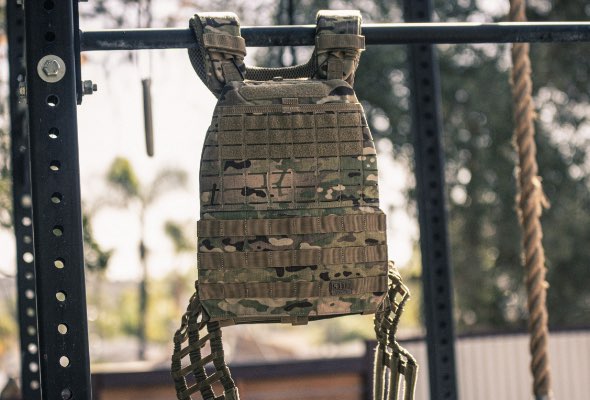
First: Remove the Plates and Accessories
Before cleaning the carrier, strip the setup down to the carrier shell as much as practical.
Remove:
- Ballistic or protective plates
- Fitness weight plates
- Side plates where fitted
- MOLLE pouches
- Hydration systems
- Medical or utility equipment
- Loose accessories
Do not clean protective plates as if they are part of the fabric carrier. Protective plates can use very different materials and constructions. Follow the plate manufacturer's cleaning, inspection and storage instructions separately.
The same principle applies to fitness plates. 5.11 PT-R® Weight Plates are powder-coated steel fitness products and are specifically marked as not being for use as body armour. :contentReference[oaicite:2]{index=2}
What Should You Avoid When Cleaning a Plate Carrier?
5.11's existing plate-carrier care guidance specifically warns against several common cleaning shortcuts.
- Do not use bleach.
- Do not use harsh household cleaning chemicals.
- Do not use fabric softener.
- Do not put the carrier in a washing machine.
- Do not put the carrier in a tumble dryer.
These methods can be unnecessarily aggressive on technical fabrics, coatings, laminates, padding and hardware. :contentReference[oaicite:3]{index=3}
How to Clean a Plate Carrier Step by Step
Step 1: Brush Away Loose Dirt
Start dry.
Use a soft brush or cloth to remove loose:
- Dust
- Sand
- Dried mud
- Grass
- Surface debris
Pay attention to MOLLE slots, hook-and-loop areas, seams and adjustment hardware where debris can collect.
Step 2: Spot-Clean Dirty Areas
For routine cleaning, use a soft cloth or soft-bristled brush with a small amount of mild detergent diluted in water.
Work gently on the dirty section rather than saturating the entire carrier immediately.
For dried or stubborn mud, loosen the material gradually with a soft brush rather than scraping aggressively with sharp objects.
Step 3: Clean High-Contact Areas
The areas touching the body often need the most attention because they collect perspiration and body oils.
Focus on:
- Shoulder padding
- Front and rear body panels
- Cummerbund contact areas
- Neck and upper-chest areas
- Internal mesh panels
The current TacTec® Plate Carrier uses padded yoke shoulder straps, perforated mesh and padded airflow channels, so those contact surfaces are logical areas to inspect after heavy training or extended wear. :contentReference[oaicite:4]{index=4}
Step 4: Remove Detergent Residue
After cleaning, use a clean damp cloth to remove remaining detergent from the fabric.
Avoid leaving heavy soap residue in padded or mesh areas.
You do not need to pressure-wash or aggressively hose the carrier.
Step 5: Reshape the Carrier
Before drying, return straps, body panels and padded sections to their normal shape.
Make sure webbing and hook-and-loop sections are not folded into unusual positions while wet.
Step 6: Air Dry Completely
Air dry only. Leave the carrier in a well-ventilated area away from direct high heat. Make sure padded, mesh and overlapping areas are fully dry before reinstalling plates or storing the carrier.
Do not use a tumble dryer as a shortcut. 5.11's published carrier-care guidance specifically advises against machine drying. :contentReference[oaicite:5]{index=5}
Should You Soak a Plate Carrier?
Routine cleaning usually does not require completely soaking the carrier.
Spot cleaning gives you more control and reduces how much water gets into padded, laminated and overlapping sections.
If a carrier is heavily soiled and a deeper hand clean is necessary, follow the specific care guidance for that carrier model rather than assuming every plate carrier should be submerged.
Different carriers use different materials. A TacTec® carrier uses 500D nylon and padded mesh construction, while the QR Plate Carrier combines 500D nylon with TAC-LAM™ laminate and Hypalon® shoulder straps. A single aggressive cleaning method should not automatically be applied to every platform.
The QR Plate Carrier, for example, combines TAC-LAM® laser-cut laminate, low-profile Hypalon® shoulder straps and padded stretch-woven body panels. :contentReference[oaicite:6]{index=6}
How Often Should You Clean a Plate Carrier?
There is no universal schedule.
Clean the carrier according to how heavily it is used and the conditions it encounters.
| Use | When to Consider Cleaning |
| Fitness Training | After repeated sweaty sessions, visible grime or noticeable odour |
| Professional Duty | When contaminated, muddy or heavily soiled and according to organisational procedures |
| Outdoor Use | After exposure to mud, dust, sand or significant moisture |
| Occasional Use | Inspect before and after use and clean when required |
For training use in particular, frequent light cleaning is usually easier than allowing sweat and grime to build up over many sessions.
How to Clean a Plate Carrier Used for Fitness
A carrier used for weighted workouts can accumulate a significant amount of perspiration, especially during running, burpees, squats and high-intensity sessions.
After training:
- Remove the training plates.
- Allow the carrier to air out.
- Wipe high-contact areas if heavily sweaty.
- Spot-clean visible dirt.
- Allow the carrier to dry fully before packing it away.
The TacTec® Plate Carrier uses oversized airflow panels and padded channels designed to improve breathability, but that does not prevent perspiration from accumulating during hard training. :contentReference[oaicite:7]{index=7}
If your use is entirely fitness-focused, you can also compare the current 5.11 Training Gear range, which includes the TacTec® Trainer Weight Vest and compatible training plates. :contentReference[oaicite:8]{index=8}
How to Clean a Plate Carrier Used for Protective Equipment
For professional or protective use, the carrier shell and protective components should be treated as separate pieces of equipment.
Follow your organisation's inspection and care procedures first. Protective plates and armour components may have manufacturer-specific restrictions on water, cleaning products, impact, storage and inspection.
Do not submerge or clean protective plates simply because the carrier shell needs washing.
Inspect both the carrier and the protective components before reassembly.
How to Clean MOLLE and Laser-Cut Webbing
MOLLE areas can trap dust and dried debris between attachment points.
For traditional webbing:
- Use a soft brush to loosen debris
- Work around stitching carefully
- Use a damp cloth where necessary
For laser-cut laminate platforms, avoid unnecessarily aggressive scraping or bending.
The TacTec® uses a combination of laser-cut loop MOLLE and web MOLLE, while the QR Carrier uses high-strength TAC-LAM® laser-cut MOLLE. :contentReference[oaicite:9]{index=9}
How to Clean Hook-and-Loop Areas
Hook-and-loop panels can collect lint, dirt and fibres over time.
Remove loose material gently and avoid damaging the hooks by aggressively pulling embedded debris.
Keeping these areas relatively clean helps closures and ID panels maintain good contact.
How to Clean Plate Carrier Pouches
Remove pouches before cleaning the carrier whenever practical.
This makes it easier to:
- Clean underneath the pouch
- Inspect attachment points
- Clean the pouch separately
- Check for wear
- Reconsider whether the pouch is still required
Clean each pouch according to its own construction rather than assuming every accessory uses exactly the same materials as the carrier.
How to Control Plate Carrier Odour
Odour usually becomes worse when perspiration remains trapped in fabric and padding and the carrier is stored before it has dried.
The first line of defence is simple:
- Air the carrier after heavy use
- Remove training plates when practical
- Let padded surfaces dry
- Spot-clean sweat-heavy areas regularly
- Do not store a damp carrier in a closed bag or vehicle
A carrier that is cleaned lightly and dried regularly is generally easier to maintain than one that requires occasional aggressive washing.
How to Dry a Plate Carrier After Rain or Training
If the carrier becomes wet from rain or perspiration, remove plates and detachable accessories where practical and allow the shell to dry in a ventilated area.
Open adjustment systems enough to let air reach:
- Body-side mesh
- Shoulder padding
- Cummerbund sections
- Plate pockets
Make sure the interior plate compartments are completely dry before reinstalling equipment.
How Should You Store a Plate Carrier?
Storage should help the carrier retain its shape, stay dry and remain easy to inspect.
Choose a location that is:
- Dry
- Ventilated
- Away from unnecessary direct heat
- Away from prolonged moisture
- Free from heavy objects crushing the carrier
Avoid leaving a damp carrier compressed beneath other equipment.
Should You Store a Plate Carrier With Plates Inside?
That depends on the equipment, use case and manufacturer's storage instructions.
For protective systems, follow the armour manufacturer's and your organisation's guidance.
For fitness use, removing steel training plates can make it easier to air the carrier, clean it and store it without unnecessary load on the fabric and straps.
PT-R® training plates are removable powder-coated steel plates designed for compatible 5.11 fitness systems. :contentReference[oaicite:10]{index=10}
Should You Hang a Plate Carrier?
You can hang an unloaded carrier if the hanger or hook supports it appropriately, but avoid creating unnecessary long-term load on a small section of the shoulder straps.
A loaded carrier can be substantially heavier than the shell alone.
If storing it loaded, follow the equipment manufacturer's recommendations and use a storage method designed to support the weight.
Should You Store a Plate Carrier in a Car?
A vehicle is generally a poor long-term storage environment because temperatures and humidity can vary significantly.
For protective equipment especially, follow the plate and armour manufacturer's storage requirements rather than leaving the system permanently exposed to vehicle heat.
For Australian conditions, this matters particularly during summer when vehicle interiors can become extremely hot.
Plate Carrier Maintenance for Australian Conditions
Australian users can expose plate carriers to a combination of heat, dust, sweat and sudden wet weather.
Hot Training Conditions
Air the carrier immediately after heavy workouts rather than leaving it wet with perspiration in a gym bag.
Dust and Sand
Brush loose particles away before they accumulate in hook-and-loop areas, MOLLE slots and adjustment hardware.
Wet Weather
Allow the carrier to dry fully before storage and check plate pockets for trapped moisture.
Vehicle Storage
Avoid treating the boot of a hot vehicle as permanent equipment storage, particularly where protective plates or other temperature-sensitive equipment are involved.
Inspect the Carrier While You Clean It
Cleaning is also a useful opportunity to check the carrier for damage.
Inspect:
- Stitching
- Shoulder straps
- Cummerbund adjustment
- Hook-and-loop closures
- MOLLE attachment points
- Quick-release hardware
- Plate-retention straps
- Grab handles
- Zippers or buckles where fitted
The TacTec® and QR carriers use different adjustment and quick-release systems, so inspect the components relevant to the specific platform. The TacTec uses a one-handed quick-release cable system, while the QR uses the patented Sierra Bravo™ Slide buckle. :contentReference[oaicite:11]{index=11}
When Should You Stop Using a Damaged Plate Carrier?
Do not assume that cleaning will solve structural damage.
Seek appropriate inspection or replacement guidance if you find:
- Torn load-bearing fabric
- Failed stitching
- Damaged plate-retention systems
- Broken adjustment hardware
- Damaged quick-release components
- Significant cuts or abrasion in structural areas
For professional protective systems, follow your organisation's equipment inspection and replacement procedures.
Common Plate Carrier Cleaning Mistakes
Leaving Plates Inside While Cleaning
Remove plates and clean or inspect them separately according to their own instructions.
Using a Washing Machine
5.11 specifically advises against machine washing plate carriers. :contentReference[oaicite:12]{index=12}
Using Bleach or Harsh Household Cleaner
Strong cleaners can be unnecessarily aggressive on technical fabric and coatings.
Using Fabric Softener
Fabric softener is not appropriate for plate-carrier care and is specifically listed among the products to avoid in 5.11's existing guidance. :contentReference[oaicite:13]{index=13}
Using a Dryer
Machine drying adds unnecessary heat and mechanical action. Air dry instead.
Storing the Carrier While Damp
Trapped moisture can contribute to odour and makes inspection and maintenance harder.
Cleaning Every Carrier the Same Way
Different models can use nylon, laminate, Hypalon®, mesh and different hardware systems. Check the individual product construction first.
Frequently Asked Questions About Cleaning Plate Carriers
Can you wash a plate carrier?
Yes, the carrier shell can be cleaned, but remove the plates and accessories first. Spot-clean with mild detergent and water and follow the specific care instructions for the carrier.
Can you put a plate carrier in the washing machine?
5.11 advises against washing plate carriers in a washing machine. :contentReference[oaicite:14]{index=14}
Can you put a plate carrier in the dryer?
No. Air drying is the safer approach, and 5.11's published carrier-care guidance advises against using a dryer. :contentReference[oaicite:15]{index=15}
Should you remove plates before washing a plate carrier?
Yes. Remove protective or fitness plates before cleaning the carrier shell and follow the plate manufacturer's care instructions separately.
Can you soak a plate carrier?
Routine cleaning generally does not require full soaking. Spot-clean first and follow the specific manufacturer's instructions if deeper hand cleaning is required.
How do you get sweat smell out of a plate carrier?
Air the carrier after use, spot-clean body-contact areas with mild detergent where appropriate and allow the carrier to dry completely before storage.
How often should you wash a plate carrier?
There is no fixed schedule. Clean it according to use, sweat, visible dirt, mud, odour and organisational requirements.
Can you wash ballistic plates?
Do not treat protective plates like the fabric carrier. Follow the plate manufacturer's specific cleaning and inspection instructions.
Can fitness weight plates stay inside the carrier during cleaning?
Remove them first. This makes it easier to clean and dry the carrier and avoids leaving unnecessary weight inside the wet shell.
How should you store a plate carrier?
Store it clean and dry in a ventilated environment where it will not be crushed or exposed unnecessarily to moisture or extreme heat. Follow separate storage instructions for protective plates.
Keep Your Plate Carrier Clean, Dry and Inspectable
Good plate-carrier maintenance does not require aggressive washing.
Remove the plates and accessories, brush away loose dirt, spot-clean with mild detergent where required and air dry the carrier completely.
Use cleaning as an opportunity to inspect straps, stitching, closures, MOLLE attachment points and quick-release hardware before rebuilding the setup.
And remember that the carrier shell, protective plates and fitness weight plates are separate components with different care requirements.
Explore the 5.11 TacTec® Plate Carrier, compare the QR Plate Carrier, browse 5.11 Training Gear, or see the wider 5.11 Load Bearing Equipment range.