Tactical Essentials to Take Camping
Tactical Camping Essentials: What to Pack for the Outdoors
A good camping setup isn't about carrying as much gear as possible. It's about bringing the equipment you actually need and organising it so the important stuff is accessible when you need it.
Whether you're heading to a campsite, hiking into the bush or setting up for a multi-day trip, your loadout should account for shelter, water, food, changing Australian conditions and the distance you'll need to carry everything.
This tactical camping checklist covers the essentials while helping you build a more practical, organised outdoor loadout.
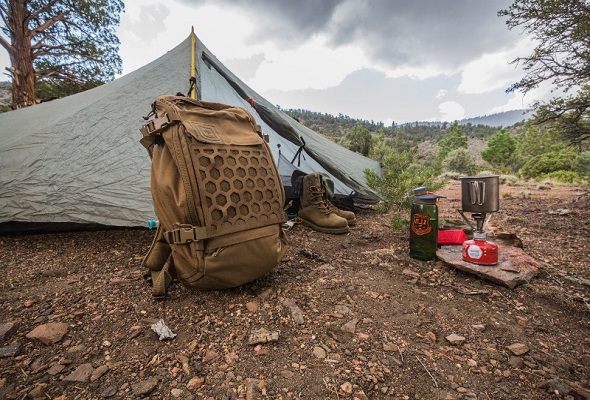
Start With the Right Camping Pack
Your pack is the foundation of your camping setup. The right size depends on how long you're going, how far you're travelling on foot and how much equipment you need to carry.
A tactical backpack can be particularly useful when you want durable construction, organised storage and multiple access points for equipment.
Before choosing a pack, consider:
- Trip duration: An overnight trip generally requires much less capacity than several days away.
- Distance: The further you're carrying your gear, the more important weight and comfort become.
- Conditions: Cold or wet environments usually require additional clothing and equipment.
- Water access: Remote areas may require significantly more water-carrying capacity.
- Organisation: Multiple compartments and external attachment options can make frequently used gear easier to access.
If you're comparing pack sizes and layouts, see our guide to choosing a tactical backpack for outdoor adventures.
Camping Essentials Checklist
Your exact equipment will change from trip to trip, but most camping loadouts start with the same core requirements.
Shelter and Sleep
- Tent, shelter or suitable bivy
- Sleeping bag appropriate for expected temperatures
- Sleeping mat
- Groundsheet where required
- Dry clothing for sleeping
Check overnight temperatures rather than relying only on daytime forecasts. Australian conditions can change significantly after sunset, particularly in exposed, alpine and inland environments.
Food and Water
- Enough drinking water for the trip
- Appropriate water-treatment or filtration equipment for remote trips
- Food
- Emergency food reserve
- Cooking equipment
- Eating utensils
- Secure food storage
Water requirements can become one of the biggest factors in pack weight. Research reliable water availability before leaving rather than assuming you'll be able to refill along the route.
Clothing and Footwear
- Weather-appropriate outer layers
- Spare shirt and base layers
- Extra socks
- Suitable hiking or outdoor footwear
- Hat or beanie
- Wet-weather protection
- Warm layer for overnight temperature changes
For active trips, prioritise clothing that manages moisture and dries efficiently. Layering also gives you more flexibility than relying on one heavy garment when conditions change.
Navigation, Lighting and Useful Equipment
Small pieces of equipment can become some of the most important things in your pack once you're away from established facilities.
Depending on where you're travelling, consider:
- Map of the area
- Compass
- GPS or offline navigation
- Headlamp
- flashlight
- Spare batteries or power source
- Power bank or solar charger
- Repair kit
- Paracord or utility cord
- Fire-starting equipment where fires are legally permitted
Australian conditions: Always check local fire restrictions and total fire bans before relying on an open flame or campfire. Rules can change with location and conditions.
First Aid and Emergency Equipment
Emergency equipment should match the remoteness and risk of the trip. A short stay at an established campground has different requirements from hiking into an area without reliable phone reception.
A practical emergency setup may include:
- First-aid kit
- Personal medications
- Emergency blanket
- Emergency food
- Backup water or water-treatment method
- Whistle
- Backup lighting
- Sun protection
- Insect repellent
- Communication equipment appropriate for the location
For remote Australian trips, don't assume your mobile phone will provide reliable communication. Research coverage and consider appropriate emergency communication equipment for the location and level of isolation.
How to Organise a Tactical Backpack for Camping
What you pack matters, but where you pack it matters too. Good organisation means you don't have to empty your backpack every time the weather changes or you need a piece of equipment.
| Pack Area | Best Used For | Why |
| Quick-access pockets | Headlamp, sunscreen, navigation, snacks | Items you may need repeatedly without opening the main compartment |
| Upper main compartment | Rain layer, warm layer and frequently used clothing | Easy to reach when conditions change |
| Centre of pack | Heavier equipment | Keeping heavier items closer to your body can improve load stability |
| Lower compartment | Sleeping equipment and items needed primarily at camp | These generally don't need to be accessed while moving |
| External attachment points | Suitable bulky equipment | Can free internal space when equipment is properly secured |
Keep equipment that must remain dry protected inside appropriate waterproof storage, even if your pack itself offers some weather resistance.
How Much Camping Gear Should You Carry?
It's easy to overpack for camping, particularly when your backpack has plenty of storage and attachment points.
Before adding something to your loadout, ask:
- Will I realistically use this?
- Does another item already perform the same function?
- How much does it weigh?
- How difficult would the trip become if I didn't have it?
Essential equipment and reasonable emergency preparation should come first. Comfort items can then be added according to available space, trip type and how far you'll actually carry the pack.
Car Camping vs Hiking: Your Loadout Should Change
One camping checklist doesn't work for every trip.
| Consideration | Car Camping | Hiking / Remote Camping |
| Weight | Less restrictive | Major consideration |
| Comfort equipment | More practical | Usually minimised |
| Pack organisation | Useful | Very important |
| Water planning | Often easier | Requires careful planning |
| Emergency preparation | Depends on location | More important as remoteness increases |
| Equipment redundancy | Easier to carry backups | Weight must be balanced against risk |
Camping in Australian Conditions
Australia's outdoor environments vary dramatically, so your equipment should reflect where you're actually going rather than following a generic camping checklist.
Heat and sun exposure can make water capacity and sun protection critical. Coastal and tropical environments can require additional rain and insect protection, while alpine areas can become cold quickly even when daytime conditions appear comfortable.
Before leaving, check:
- Weather forecast and overnight temperatures
- Fire restrictions
- Reliable water sources
- Mobile coverage
- Track and road conditions
- Park or campsite requirements
- Local wildlife considerations
Tell someone where you're going and when you expect to return when travelling into remote areas.
Build Your Camping Loadout Around the Trip
The best camping setup isn't necessarily the biggest one. Start with shelter, water, food, appropriate clothing, navigation and emergency equipment, then build the rest of your loadout around the conditions and duration of your trip.
A well-organised backpack makes it easier to keep essential equipment accessible while distributing your load efficiently.
For more help choosing the right pack, explore our guide to tactical backpacks for outdoor adventures.
Tactical Camping FAQs
What should I pack for a camping trip?
Start with shelter, sleeping equipment, food, water, appropriate clothing, navigation, lighting and first-aid supplies. Additional equipment should depend on the duration, location, weather and remoteness of the trip.
What size backpack do I need for camping?
The right capacity depends on trip duration and the amount of equipment you need to carry. Overnight trips can require considerably less space than multi-day trips involving additional food, clothing and weather protection.
How should I organise a backpack for camping?
Keep frequently used equipment accessible, place heavier equipment close to your body where practical and store items mainly required at camp deeper in the pack. Protect equipment that needs to stay dry with suitable waterproof storage.
What should I pack for camping in Australia?
Your loadout should reflect the specific environment. Water capacity, sun protection and heat management can be critical in warmer areas, while rain protection and warm layers become more important in wet, alpine or colder environments.
How do I avoid overpacking for camping?
Prioritise essentials and equipment that solves a specific problem. Avoid carrying several items that perform the same function, and consider the weight of every non-essential item if you're travelling on foot.