What to Look for in a Deployment Bag
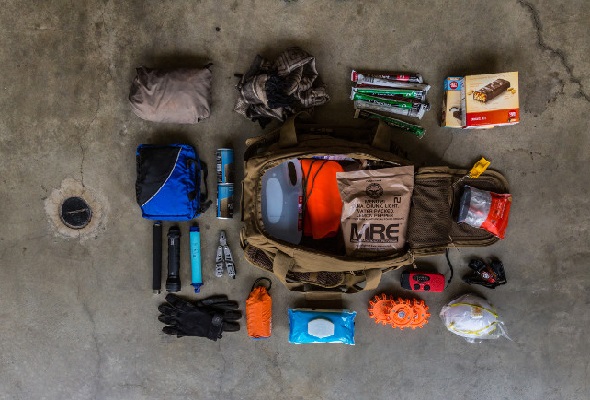
If you're travelling with a substantial equipment load, your bag needs to do more than simply hold everything. A good deployment bag should provide enough capacity for your gear while remaining durable, organised and practical to move between locations.
Whether you're preparing for deployment, extended work travel or carrying a large amount of equipment, choosing the right tactical luggage or deployment bag starts with capacity, construction and carrying system.
Here's what to consider when choosing a deployment bag built to handle demanding travel and heavy loads.
How Big Should Your Tactical Deployment Bag Be?
Deployment bags come in a wide range of sizes. The right capacity depends on how much equipment you're carrying, how long you'll be away and whether the bag needs to hold clothing alongside specialist gear.
A medium-sized RUSH® LBD LIMA Duffel Bag 56L, for example, provides 3,456 cubic inches of capacity and can work for substantial equipment loads without moving into oversized luggage.
For larger requirements, a rolling deployment bag can make significantly more sense. The Mission Ready™ 3.0 90L and SOMS™ 3.0 126L provide considerably more storage for extended travel and larger equipment loads.
What About Deployment Backpacks?
A tactical backpack can work well for equipment you need to carry with you throughout the day, but it serves a different purpose from a full-sized deployment bag.
For larger loads, many users combine a backpack for accessible equipment with a larger duffel or rolling bag for clothing and bulkier gear.
Deployment Bag Materials: They're Not All Created Equal
Deployment and equipment bags can be exposed to repeated loading, rough handling, outdoor conditions and heavy loads, so material and construction quality matter.
Look for durable fabrics, reinforced stitching, strong handles and quality zippers. Water-resistant materials can also help protect your equipment when the bag is exposed to rain or wet surfaces.
The RUSH® LBD XRAY Duffel Bag 106L, for example, uses durable 1050D nylon and is designed around carrying substantial equipment loads.
Must-Have Features in a Deployment Bag
The right features depend on how you'll use the bag, but useful deployment and tactical luggage features can include:
- Compression straps
- Durable grab handles
- ID or identification panels
- Impact-resistant base construction
- Internal organisation
- Lockable zippers
- MOLLE compatibility where appropriate
- Reinforced stitching
- Removable or adjustable straps
- Retractable handles on rolling luggage
- Strong wheels for larger bags
- Water-resistant materials
The best deployment bag is ultimately one that provides enough capacity for your equipment without becoming unnecessarily difficult to move. For larger loads, wheels can make a substantial difference, while duffel or backpack-style carry options can provide greater flexibility.
What Is a Deployment Bag?
Quick answer: A deployment bag is a large, durable bag designed to transport clothing, equipment and other gear for extended travel or demanding work. Deployment bags are commonly available as heavy-duty duffels or rolling luggage and typically prioritise capacity, durability and organisation.
Although the term comes from military and professional use, the same type of high-capacity bag can also work for extended travel, outdoor equipment, work gear and other situations where conventional luggage may not provide enough durability or organisation.
Deployment Bag vs Duffel Bag: What's the Difference?
A deployment bag is essentially a heavy-duty form of duffel or luggage designed around larger equipment loads.
| Feature | Deployment Bag | Standard Duffel |
| Primary use | Extended travel and equipment transport | General travel, training and everyday use |
| Capacity | Often medium to very large | Available across a wider range of sizes |
| Construction | Typically designed around demanding loads | Varies significantly by bag |
| Organisation | Often designed around equipment | Depends on the design |
| Wheels | Common on larger deployment bags | Less common on conventional duffels |
Browse the 5.11 tactical luggage and duffel range to compare different capacities and carrying systems.
What Size Deployment Bag Do You Need?
Capacity should match the amount of equipment you're actually carrying rather than simply choosing the largest available bag.
| Capacity | Best Suited To | Considerations |
| 40–60L | Shorter trips and moderate equipment loads | More manageable when the bag needs to be carried regularly |
| 60–90L | Extended travel and larger loads | Provides additional space for clothing and equipment |
| 90–130L | Large equipment loads and extended deployments | Wheels become increasingly useful as packed weight increases |
Capacity isn't everything. A 100L+ bag gives you substantial storage, but once fully loaded it can become very heavy. Consider how you'll actually move the bag before choosing the largest capacity available.
Should a Deployment Bag Have Wheels?
For larger deployment bags, wheels can make a significant difference.
A rolling bag is particularly useful when:
- You regularly carry heavy equipment
- Your bag is around 90L or larger
- You travel through airports
- You move equipment through hotels or accommodation
- You frequently move across paved or hard surfaces
- You want to reduce the amount of time the full load is carried
The Mission Ready™ 3.0 90L provides a strong middle ground between a conventional duffel and oversized rolling deployment luggage.
For substantially larger equipment loads, the SOMS™ 3.0 126L provides additional capacity with a rolling design.
Deployment Bag vs Rolling Luggage
Choose a carry duffel when flexibility matters most. Choose rolling luggage when capacity and packed weight increase. The right option depends on how much equipment you're carrying and the environments you'll move through.
| Consideration | Carry Duffel | Rolling Deployment Bag |
| Stairs and uneven terrain | Generally easier | May need to be carried |
| Airports and terminals | Requires carrying | Generally easier |
| Very heavy loads | Can become difficult | Wheels reduce carrying |
| Storage | Can be more flexible | Structure may take more space |
| Large capacity | Available | Particularly well suited |
Is a 90L Bag Too Big?
Not necessarily. A 90L bag can make sense when you're carrying equipment and clothing for extended periods, particularly if the bag has wheels.
However, 90 litres is considerably larger than a typical travel backpack or everyday duffel. If you only need clothing and basic equipment for a shorter trip, a smaller bag may be easier to manage.
Is a 120L Deployment Bag Too Big?
A bag around 120 litres is designed for substantial loads. It can be appropriate for extended travel, professional equipment or situations where multiple categories of gear need to travel together.
The trade-off is packed weight. At this capacity, a good wheel system, strong handles and durable construction become increasingly important.
What Is the Best Material for a Deployment Bag?
There isn't one universal material specification, but deployment luggage should be built around durability.
Consider:
- High-denier nylon: Common in heavy-duty tactical luggage.
- Reinforced stitching: Important around handles and load-bearing areas.
- Durable base panels: Useful when the bag is repeatedly placed on rough surfaces.
- Water resistance: Helps protect equipment during travel and outdoor use.
- Quality zippers: Particularly important when the bag is packed heavily.
How Should You Pack a Deployment Bag?
A large bag is easier to use when equipment is organised rather than simply filling the main compartment.
Put Heavy Equipment Low and Stable
Keep significant weight positioned so the bag remains balanced, particularly when using rolling luggage.
Separate Clothing and Equipment
Use internal compartments or smaller organisers to prevent clothing, footwear and equipment from becoming mixed together.
Keep Frequently Used Items Accessible
Items you may need during travel shouldn't sit at the bottom of a fully packed 100-litre bag.
Use Compression
Compression straps can help stabilise the load and prevent equipment from shifting when the bag isn't completely full.
Don't Use Capacity as a Packing Target
A 90L or 126L bag doesn't need to be completely full. Leave enough room to organise equipment properly and keep the packed weight manageable.
Can a Deployment Bag Be Used for Regular Travel?
Yes. A deployment bag can work well as heavy-duty travel luggage, particularly if you carry substantial equipment or prefer rugged construction.
The main consideration is size. Large deployment bags can exceed what most people need for ordinary travel, so a smaller tactical duffel or travel bag may provide greater flexibility for shorter trips.
Deployment Bag vs Tactical Backpack
| Feature | Deployment Bag | Tactical Backpack |
| Capacity | Medium to very large | Generally lower |
| Long-distance carrying | Depends on carry system | Better load distribution |
| Bulky equipment | Excellent | More limited |
| Daily equipment access | Less convenient when heavily packed | Generally better |
| Extended travel | Excellent | Best used alongside larger luggage when more capacity is required |
For smaller loads or equipment that needs to stay with you throughout the day, browse our tactical backpacks and bags.
Frequently Asked Questions About Deployment Bags
What size deployment bag should I get?
Choose based on the amount of equipment you regularly carry. Around 40–60L can work for moderate loads, while 90L or more becomes useful for extended travel and substantial equipment.
What is the difference between a deployment bag and a duffel bag?
A deployment bag is generally a heavy-duty duffel or rolling bag designed around demanding equipment loads and extended travel. A conventional duffel can be lighter and more general purpose.
Are rolling deployment bags better?
They can be better for large or heavy loads, particularly in airports and other environments with suitable surfaces. Carry duffels remain useful when stairs, vehicles and uneven terrain are common.
Is a 90L bag good for travel?
Yes, when you need substantial capacity. For ordinary short trips, however, a smaller bag may be easier to transport and organise.
Can you use a deployment bag as luggage?
Yes. Deployment bags can work as rugged travel luggage, particularly when you need greater durability, capacity or equipment organisation.
What should I look for in a heavy-duty duffel bag?
Look for durable materials, reinforced handles, quality zippers, useful internal organisation, compression and an appropriate carrying system for the packed weight.
Should I choose a deployment bag or backpack?
Choose a deployment bag for larger equipment and clothing loads. Choose a backpack when carrying comfort and regular access to equipment are more important. For extended travel, using both can be practical.
Choose the Right Deployment Bag for Your Load
The right deployment bag should balance capacity, durability and mobility. A larger bag isn't automatically better – the goal is to carry everything you need while keeping the load organised and practical to transport.
For larger rolling loads, compare the Mission Ready™ 3.0 90L and SOMS™ 3.0 126L. For a heavy-duty carry duffel, explore the RUSH® LBD XRAY Duffel Bag 106L.
Or browse the complete 5.11 Tactical Luggage & Duffel range to compare deployment bags, rolling luggage and travel duffels available in Australia.
