How to Properly Pack a Tactical Backpack
Packing your tactical backpack the right way hinges on two things: your mission and your comfort. You need to be able to stash everything you need and carry it all comfortably, so you need to start with the right gear. The specific needs of your mission should dictate your ultimate decision, but there are a few features that come standard in any quality tactical backpack:
- Roomy main storage area
- Zippered outer pockets
- Reinforced grab-and-go handles
- MOLLE or 5.11 SlickStick® webbing platform
- Interior mesh pockets and gear-specific compartments
- Water-repellent coating
- External compression straps
- Internal hydration compartment
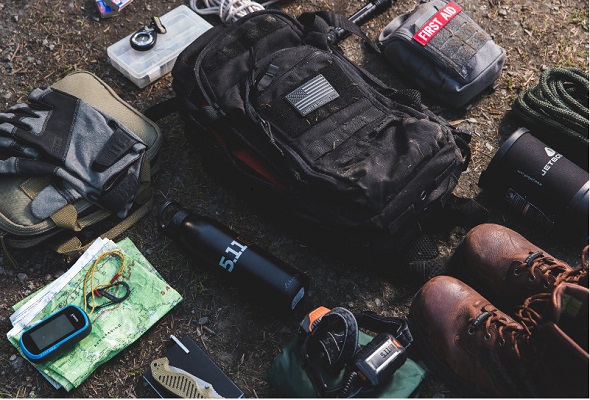
What to Pack in Your Tactical Backpack
Your tactical backpack’s contents depend on what you’re doing. You’ll need different items for a day at the range than you’ll need for a week or more in the field, but there are a few standbys that everyone should have. These are the basic items you need in a tactical pack:
- First aid kit or IFAK pouch
- Food, including high-protein, energy-boosting snacks
- Personal hygiene items
- Tools
- Water
If you’re packing a survival backpack, you’ll also need these basic items:
- Bedding
- Clothing
- Communication equipment
- Defense items
- Fire-starting kit
- Flashlights
- Shelter
How to Pack a Tactical Backpack
Think of packing a 24-hour tactical backpack like building a pyramid. Put heavy items on the bottom, medium-weight items in the middle and light items on top. This configuration is best for your back and usually easiest to carry, especially if you’re making a long trek.
Use the outside compartments of your pack or MOLLE attachments for items you need to access frequently or easily, like flashlights, a tactical knife or multitool, radios and your first aid kit.
The Foundation: Packing the Bottom of Your Bag
The bottom of your pack is for gear you only need to access when you’re done carrying it for the day. Your bedding, additional clothing and most of your hygiene items belong on the bottom, and so do all your heaviest pieces of gear, like entrenching tools.
The In-Between Gear
Your shelter half, poncho liner or whatever you use to set up camp for the night belongs in the middle of your bag. The middle of your bag is also great place for extra food, water and other items you probably won’t need while you’re on the go.
What to Pack on the Top of Your Tactical Backpack
Keep a change of socks, your poncho, self-defense items and navigation gear on the top layer of your bag so you can access them easily. Mid-mission snacks, water purification tablets and other small items belong there, too.
Gear to Attach to the Outside of Your Pack
If your tactical backpack is 5.11 SlickStick or MOLLE compatible, like the Urban Utility Ruck 25L, make the most of it. Attach canteens, your first aid gear, eye and ear protection, holsters and other essentials to the convenient webbing platform.
How to Pack a Survival Backpack
Unlike a run-of-the-mill tactical backpack, a survival backpack will keep you going when you’re away from civilization. This bag should contain enough gear to sustain you for at least 72 hours – longer if you’re not anticipating a short-term emergency or you’re intentionally heading out on your own. You’ll include the same basic gear outlined above, plus extra food, water, and safety, shelter, and self-defense gear.
The key to properly packing a tactical backpack is to put the heavy, less-frequently-needed items on the bottom and work your way up, piling in lighter items as you go. Your pack needs to give you easy access to the gear you need most when you’re on the move – packing from the bottom up makes that possible.
How Should You Pack a Tactical Backpack?
Quick answer: Pack a tactical backpack by keeping frequently used gear easy to reach, positioning heavier items close to your back and around the middle of the pack where practical, and using lighter or less frequently needed equipment to fill the remaining space. Use compartments and MOLLE pouches to organise smaller essentials without adding unnecessary external bulk.
Good backpack organisation is about more than fitting everything inside. How you distribute equipment affects comfort, balance and how quickly you can reach the things you need.
Start with a tactical backpack that provides enough capacity for your intended use, then organise your load around three priorities: weight, accessibility and stability.
Where Should Heavy Items Go in a Backpack?
As a general rule, heavier equipment should be kept close to your back rather than positioned far away from your body.
For many loads, keeping heavier items around the middle of the backpack and relatively close to your back can help prevent the pack from pulling backwards. The exact position will depend on the backpack, terrain and equipment you're carrying.
Avoid putting significant weight in external pouches or on the outermost part of the pack unless there is a practical reason to do so.
| Equipment | Where to Pack It | Why |
| Heavy equipment | Close to your back and around the middle of the pack where practical | Helps keep weight closer to your body and can improve load stability. |
| Frequently used items | Top or easily accessible compartments | Allows access without unpacking the main compartment. |
| Light, bulky items | Bottom or around heavier equipment | Uses available space without pushing significant weight away from your body. |
| Small essentials | Organisation pockets or dedicated pouches | Prevents smaller equipment from becoming difficult to find. |
How to Organise a Tactical Backpack
An efficiently packed backpack should let you reach important equipment without emptying the entire main compartment. Keep frequently used items accessible and use the backpack's built-in organisation before adding external storage.
Use Internal Compartments First
Start with the organisation already built into the backpack. Keeping equipment inside the pack helps maintain a streamlined carrying profile and protects equipment from the surrounding environment.
Group Similar Equipment Together
Keeping related equipment together makes it easier to find what you need. First-aid equipment, for example, is generally more useful when stored together in a predictable location rather than distributed throughout the pack.
Use Smaller Pockets for Smaller Gear
Keys, cables, compact tools and other small items can quickly disappear inside a large main compartment. Use organiser pockets or smaller compartments where available.
Don't Overpack
Available space doesn't need to be filled. Additional equipment means additional weight, so every item should have a reason for being in your pack.
How to Use MOLLE When Packing a Backpack
MOLLE can add external organisation when the backpack's internal storage isn't enough or when certain equipment needs to remain accessible.
Compatible MOLLE pouches can provide dedicated storage without requiring you to change backpacks.
However, external attachments should be used selectively. Too many pouches can add weight, bulk and additional snag points.
Best practice: Use your backpack's internal storage first, then add MOLLE attachments where they provide a clear improvement in access or organisation.
If you're unfamiliar with modular backpack systems, start with our What Is MOLLE? guide.
For attachment instructions, see How Does MOLLE Work?, or read our guide to setting up a MOLLE backpack for pouch placement and load organisation.
What Size Tactical Backpack Do You Need?
Proper packing starts with choosing the right capacity. A backpack that is too small can become difficult to organise, while an unnecessarily large pack can encourage you to carry equipment you don't need.
| Approximate Capacity | Typical Use | 5.11 RUSH Example |
| 20–25L | Everyday carry, work, shorter outings and day trips | RUSH 12 2.0 – 24L |
| 30–40L | Larger everyday loads, travel and lighter overnight use | RUSH 24 2.0 – 37L |
| 50L+ | Multi-day use and substantial equipment loads | RUSH 72 2.0 – 55L |
The RUSH® Backpack Collection provides several capacities built around different carrying requirements, allowing you to choose the pack size before configuring the organisation around your equipment.
How to Pack a Backpack for a Day Trip
For shorter trips, focus on keeping the pack light and avoiding unnecessary equipment.
A compact setup may include water, food, first-aid supplies, weather protection and activity-specific essentials, with frequently used items stored in accessible compartments.
Smaller tactical backpacks can be particularly useful when you don't need overnight equipment or substantial additional clothing.
How to Pack a Backpack for Hiking or Outdoor Use
Outdoor packing requires additional consideration because you'll be carrying the load while moving across changing terrain.
Prioritise:
- Water and hydration
- Weather-appropriate clothing
- Food
- First-aid supplies
- Navigation
- Sun and weather protection
- Trip-specific equipment
Keep the load stable and avoid attaching unnecessary weight far away from your body.
For more guidance on choosing a pack for outdoor use, read our guide to tactical backpacks for hiking, camping and outdoor adventures.
How to Pack a Backpack for Travel
Organisation becomes particularly important when one backpack contains clothing, electronics and everyday essentials.
Keep frequently accessed travel items separate from clothing and larger equipment. A streamlined exterior can also be easier to manage around vehicles, airports and crowded environments.
Compression straps can help stabilise the load when the backpack isn't completely full.
Common Tactical Backpack Packing Mistakes
Putting All Heavy Gear at the Bottom
Heavy equipment concentrated at the very bottom can make some loads feel less balanced. Where practical, keep substantial weight closer to your back and around the central portion of the pack.
Putting Heavy Equipment Too Far From Your Back
Weight positioned on the outermost part of the backpack creates greater leverage and can pull the load away from your body.
Overpacking
A full backpack isn't necessarily a well-packed backpack. Carry what your activity requires rather than filling every available compartment.
Making Important Gear Difficult to Reach
Equipment you may need quickly shouldn't be buried beneath everything else.
Using Too Many External Attachments
MOLLE provides flexibility, but every external pouch adds weight and bulk. Use attachments when they solve a genuine organisation problem.
Not Adjusting Compression Straps
Where available, compression straps can help control unused volume and reduce movement inside the pack.
Not Testing the Loaded Backpack
Once packed, put the backpack on and walk around. Adjust the shoulder and sternum straps and check whether the load remains stable and comfortable.
Frequently Asked Questions About Packing a Tactical Backpack
Should heavy items go at the top or bottom of a backpack?
Neither is universally correct. For many loads, heavier items are better positioned relatively close to your back and around the middle of the backpack rather than concentrated at the very top, bottom or outer edge.
What should go at the bottom of a backpack?
Lightweight, bulky items that you don't need frequently can work well near the bottom. The exact arrangement depends on your activity and the design of the backpack.
What should go at the top of a tactical backpack?
Keep frequently accessed equipment near the top or in accessible compartments. This could include weather protection, food, navigation equipment or other items you expect to use while moving.
How do you stop a backpack from feeling too heavy?
Start by removing unnecessary equipment. Then keep heavier items close to your body, balance the load between both sides and correctly adjust the backpack's shoulder, sternum and compression straps where available.
Should you use every pocket in a tactical backpack?
No. Use compartments according to what you're carrying. Leaving unused storage empty is better than adding unnecessary equipment simply because space is available.
Should you put MOLLE pouches on the outside of a backpack?
MOLLE pouches can be useful for equipment that benefits from dedicated or accessible storage. However, internal backpack organisation should generally be used first to avoid unnecessary external weight and bulk.
What size tactical backpack is best for everyday use?
Capacity depends on what you carry, but backpacks around 20–25L can provide a practical starting point for many everyday and shorter-duration uses.
What size tactical backpack is best for overnight use?
Requirements vary, but a pack in roughly the 30–40L range can provide additional room for clothing and equipment while remaining more compact than a large multi-day backpack.
Choose the Right Tactical Backpack Before You Pack
Even the best packing technique can't compensate for a backpack that is fundamentally too small, too large or poorly suited to what you're carrying.
Start with the capacity and organisation you genuinely need, pack heavier equipment close to your body, keep frequently used gear accessible and use modular storage selectively.
Explore the complete 5.11 tactical backpack range, compare capacities in the RUSH® Backpack Collection, or browse MOLLE pouches and attachments for additional modular storage.
You can also explore the wider 5.11 Bags & Packs range for carrying solutions designed for work, outdoor use, travel and everyday needs.