Gym Bag Essentials for an Indoor Workout
Circuit training, strength sessions and conditioning workouts are much easier when your gear is already organised. Forgetting a towel, water bottle or change of clothes can turn a good training session into an inconvenient one.
Use this gym bag checklist to prepare for indoor workouts, and choose a bag with enough organisation and capacity for the equipment you actually carry.
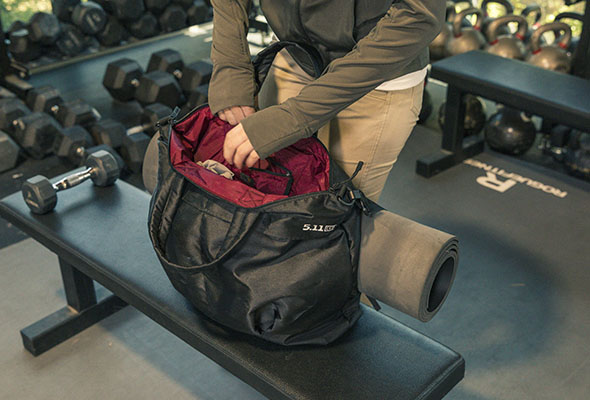
How to Pack a Gym Bag
Pack light, keep frequently used items accessible and separate clean equipment from anything wet or used after training.
A practical indoor gym setup may include:
- Bandages. Useful for small cuts, scrapes or blisters.
- Extra headbands or hair ties. Small enough to keep permanently in your bag.
- Headphones. A spare pair can prevent a forgotten set from disrupting your workout.
- Facial or body wipes. Useful before or after training when shower facilities aren't immediately available.
- Hand sanitiser.
- Laundry or wet bag. Helps separate damp clothing and towels from the rest of your equipment.
- Reusable water bottle.
- Shower shoes or slides.
- Small towel.
- Snacks. Particularly useful if you're training around work or a long commute.
- Toiletries. Keep liquids inside a separate waterproof or zippered bag.
- Skincare or personal-care products.
- Workout clothes, socks and shoes.
What to Look for in a Gym Bag
You can't pack efficiently if the bag itself doesn't suit what you're carrying. Useful features can include:
- Comfortable and adjustable straps
- Multiple internal compartments
- Roomy main storage
- Durable construction
- Water-resistant materials where appropriate
- Zippered side or organiser pockets
- Compression straps
- Strong grab handles
Depending on how you commute and how much equipment you carry, both backpacks and tactical bags and duffels can work well for the gym.
What Makes a Good Gym Bag?
Quick answer: A good gym bag should provide enough room for clothing, shoes, water and toiletries while keeping wet gear, small items and everyday essentials organised. The best format depends on how much you carry and whether you walk, drive or commute to training.
A gym bag doesn't have to be designed exclusively for fitness. A durable backpack or duffel can work across training, work, travel and everyday use if the capacity and organisation suit your routine.
Explore the wider 5.11 tactical bags range to compare different carrying styles.
Gym Backpack vs Duffel Bag
| Feature | Gym Backpack | Gym Duffel |
| Carrying style | Load distributed across both shoulders | Usually carried by handles or shoulder strap |
| Commuting | Often more practical for walking and public transport | Good when travel distance is shorter |
| Bulky clothing and shoes | Depends on backpack capacity | Large opening can make packing easier |
| Organisation | Often multiple internal pockets and compartments | Varies depending on the design |
| Work and travel crossover | High | High |
What Size Gym Bag Do You Need?
For many gym users, around 20–25L is enough for basic training gear. If you're carrying shoes, work clothes, toiletries, food and additional equipment, a 30–40L bag can provide much more flexibility.
| Approximate Capacity | Best For | Typical Load |
| 20–25L | Light everyday gym use | Clothing, towel, water and smaller essentials |
| 30–40L | Gym + work or larger training loads | Shoes, clothing, toiletries, food and accessories |
| 40L+ | Bulky training equipment and multi-purpose use | Larger clothing and equipment loads |
Is a Tactical Backpack Good for the Gym?
Yes. A tactical backpack can work particularly well for gym use when you value durability and organisation.
Multiple compartments can help keep toiletries, clothing, electronics and smaller equipment separated, while backpack straps make it easier to carry the load when walking or using public transport.
RUSH 24 2.0 as a Gym Backpack
The RUSH® 24 2.0 Backpack 37L provides enough capacity for larger gym loads while also working as a general-purpose backpack.
Its 37-litre capacity can be useful if your training bag also needs to carry:
- Workout shoes
- Change of clothes
- Toiletries
- Food
- Water
- Work or everyday equipment
This makes a larger backpack particularly useful for people who train before or after work and want to carry one bag rather than separate work and gym bags.
Can You Use a Duffel Bag for the Gym?
Yes. A duffel is one of the most practical gym bag formats when you carry shoes, clothing, towels or other bulky equipment. The larger opening generally makes equipment easier to pack and access than a narrow backpack compartment.
The RUSH® LBD MIKE Duffel Bag 40L is a live 5.11 Australia option with 40 litres of capacity. It also includes internal organisation, compression straps, reinforced grab handles and backpack-style carry capability. :contentReference[oaicite:7]{index=7}
A bag in this size range can work particularly well when you want one bag for training, work and short travel.
How to Organise Your Gym Bag
Separate Your Shoes
Keep training shoes away from clean clothing and personal items where possible. A lightweight internal bag can help if the main bag doesn't provide a dedicated footwear compartment.
Keep Wet Clothing Separate
Use a washable wet bag or laundry bag for sweaty clothing and towels.
Give Small Items a Dedicated Pocket
Keys, headphones, hair ties and charging cables are much easier to find when stored in a smaller organiser pocket.
Keep Toiletries Together
Store toiletries inside a separate water-resistant pouch or bag to reduce the risk of leaks affecting clothing or electronics.
Put Frequently Used Items Near the Top
Your water bottle, towel and headphones shouldn't require unpacking the entire bag to reach.
Gym Bag for Work and Training
If you're going directly between work and training, your bag needs to handle two different sets of equipment.
Separate:
- Work equipment
- Clean training clothes
- Used training clothing
- Footwear
- Toiletries
- Food
- Electronics
This is where larger backpacks and duffels can provide significantly more flexibility than a small dedicated gym bag.
Can You Use a Travel Bag as a Gym Bag?
Yes. A versatile duffel or travel bag can work well for gym use, particularly if you're carrying a larger load.
The benefit is crossover: instead of owning separate bags for training and short trips, one durable bag may be able to handle both.
Explore our tactical luggage and duffel bags if you're looking for higher-capacity options suitable for training and travel.
Gym Bag vs Travel Duffel
| Bag Type | Best For | Main Advantage |
| Compact Gym Backpack | Light everyday training | Easy to carry and commute with |
| 30–40L Backpack | Gym + work | Organisation and hands-free carrying |
| 40L Duffel | Larger gym loads | Easy access to clothing and footwear |
| Larger Travel Duffel | Training + travel | Greater capacity and versatility |
What Should You Keep Permanently in Your Gym Bag?
Keeping a few inexpensive essentials permanently packed can make it easier to train consistently.
Consider leaving:
- Spare headphones
- Hair ties
- Small towel
- Shower shoes
- Basic toiletries
- Reusable laundry bag
- Bandages
- Charging cable
Clothing, food and other items that need regular washing or replacement should be rotated after each session.
How Often Should You Clean Your Gym Bag?
Remove wet clothing and towels after every workout and allow the bag to dry properly.
Regularly empty the bag and check for:
- Used clothing
- Old food
- Leaking toiletries
- Unnecessary equipment
- Items that need washing
This is especially important if you keep the same bag packed for both work and training.
Indoor vs Outdoor Workout Bags
Indoor training generally requires less weather-specific equipment than outdoor workouts.
An indoor gym bag can focus primarily on clothing, hygiene, footwear, hydration and training accessories.
Outdoor training may require additional equipment such as sun protection, weather protection and more water.
If you regularly train outdoors, our existing guide to packing a gym bag for an outdoor workout can provide additional guidance.
Frequently Asked Questions About Gym Bags
What size gym bag is best?
For many people, a 20–25L bag is enough for basic gym essentials. A 30–40L bag can make more sense if you carry shoes, work clothing, toiletries and food as well.
Is a 40L bag too big for the gym?
Not necessarily. A 40L bag can be useful if you carry shoes, multiple clothing changes or combine training with work or travel.
Is a backpack or duffel better for the gym?
A backpack is often better for commuting and carrying the load over longer distances. A duffel can provide easier access and more flexible storage for bulky equipment.
Can you use a tactical backpack as a gym bag?
Yes. Tactical backpacks often provide durable materials, organised compartments and comfortable carrying systems that work well for gym use.
Can a travel duffel be used as a gym bag?
Yes. A travel duffel can be particularly useful if you want one higher-capacity bag that works for both training and short trips.
What should always be in a gym bag?
Common essentials include a water bottle, towel, training clothes, footwear, toiletries and a way to separate used clothing from clean equipment.
Choose the Right Bag for Training
The best gym bag is the one that fits the equipment you regularly carry without forcing you to haul unnecessary size and weight.
If you prefer hands-free carrying, explore our tactical backpacks. For larger clothing and footwear loads, compare our tactical bags and duffels or browse the luggage and duffel range.
You can also explore the wider 5.11 Bags & Packs range or our fitness range for training-focused gear.